The same lodge can cost twice as much in one month or one country than in another, and most travelers don’t know why until they’ve already overpaid. Lodge prices aren’t random, though. They follow patterns tied to how remote a property is, when its high season falls, and what’s included in the rate. Once you understand those patterns, you can spot the overpriced dates and the genuine bargains before you book.
This guide walks through the main forces behind lodge pricing, from fly-in safari camps to island resorts and alpine retreats. You’ll see how seasons push rates up and down, which destinations offer the best value at certain times of year, and why shoulder season is often the smartest window for a stay. We’ll also cover booking lead times, how to compare all-inclusive and pay-as-you-go lodges fairly, and how to combine destination and season into a realistic budget for your trip.
Why Lodge Prices Change So Much Between Destinations
Ask two travelers what they paid for seemingly similar lodges and you’ll often get wildly different numbers. The biggest reason is access. A lodge you can drive to costs far less to run than one that depends on small charter planes to bring in every guest, every staff rotation and every crate of food. That’s why fly-in safari camps carry higher base rates than road-accessible lodges, even in the same country and the same ecosystem. The charter flights, fuel and logistics are baked into every nightly rate.
Location shapes demand, too
Island and coastal lodges price around a different calendar. Their demand doesn’t follow public holidays so much as diving conditions, beach weather and the dry monsoon-free months when water visibility is best. A Maldivian or Thai island lodge may be packed in months when a safari lodge sits half empty, and the rates reflect that. Before booking any coastal stay, find out what drives its busy season rather than assuming it matches your home country’s holidays.
Finally, watch what the rate actually includes. All-inclusive lodges quote higher headline prices, but those rates typically bundle meals, activities and sometimes transfers. A cheaper road-accessible lodge that charges separately for dinner, guided walks and airport pickups can end up costing more than it first appears. Compare what’s included, not just the number on the booking page.
How Seasons Drive Lodge Prices Up and Down
Season is the single biggest swing factor in lodge pricing, often outweighing differences between lodges in the same area. The pattern is simple: rates climb when demand peaks and fall when conditions are less predictable, even if the lodge itself hasn’t changed. Knowing each destination’s calendar helps you decide whether the premium is worth paying.
Safari seasons split the continent
In East Africa, peak safari season runs from June to October, when the dry weather concentrates wildlife around water sources and makes game viewing at its most reliable. Rates during these months can run 30-50% higher than in the April-May green season. Southern Africa works on a different rhythm: its low season spans November to March, when lodge rates often drop 20-40% despite lush scenery, dramatic skies and excellent birding. Travelers who can handle afternoon showers often find the green season delivers remarkable value.
Mountains peak twice a year
Alpine lodges follow a twin-peak pattern, with rates climbing in December to February for skiing and again in July-August for summer hiking. During these windows, prices often sit 40-60% above shoulder months. If your dates are flexible, timing matters more than loyalty programs or promo codes ever will. For a deeper look at timing your booking around peak demand, see our guide on when to book lodges in high season for better prices.
Destination Snapshots: Safari, Island and Mountain Lodges
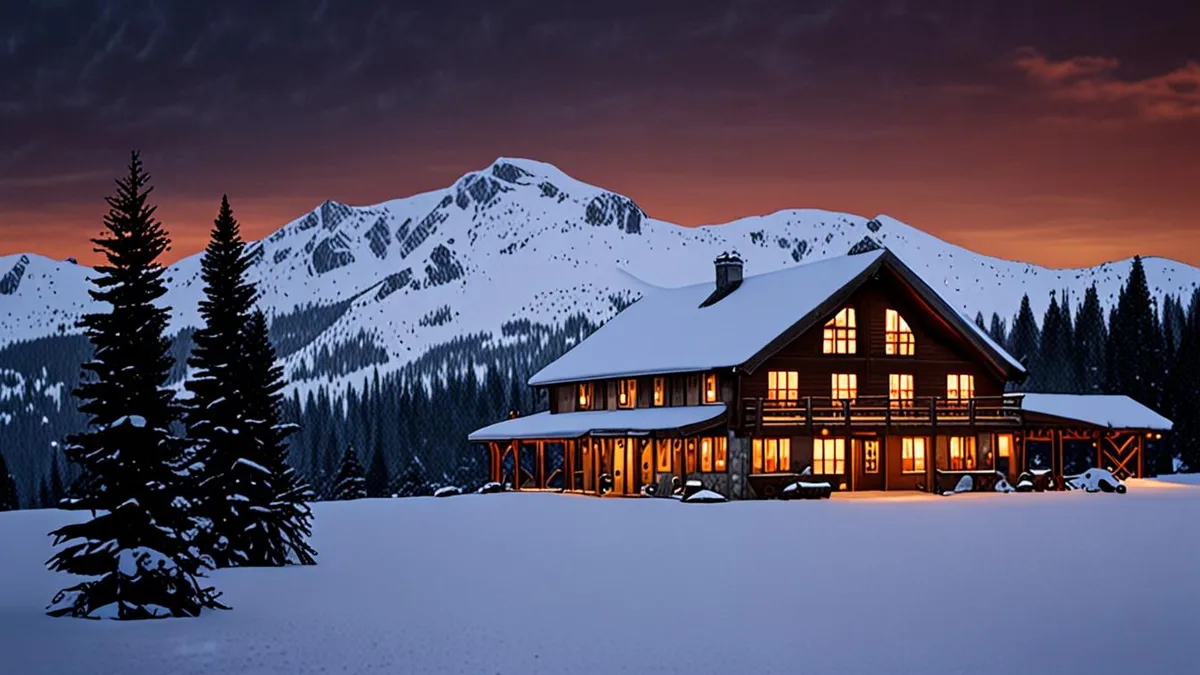
Different lodge types follow different pricing calendars, so the best value depends on where you’re headed. A deal in one destination can be the most expensive week of the year in another. Before you fix dates or compare rates, it pays to understand which calendar your chosen lodge follows, because the same week can carry wildly different price tags depending on the destination’s demand cycle. These snapshots show how the patterns play out on the ground, and they can help you decide whether to chase savings or prioritize ideal conditions.
Safari lodges in the Kruger-area regions follow Southern Africa’s low-season calendar, with rates dropping across November to March. If you’re weighing lodges, gates and surrounding towns, our area guide to staying near Kruger National Park breaks down the options by region. Tropical island lodges, meanwhile, offer their biggest discounts, typically 25-50%, during the May-October monsoon months. Mountain lodges flip the script entirely: they trade winter peak rates for quiet, cheaper hiking-season value in May-June and September, when trails are open but the crowds and prices haven’t returned. Each of these patterns rewards travelers who can shift their dates by even a few weeks, so flexibility is often the single most valuable asset you can bring to the booking process.
- Green-season safaris aren’t lesser safaris. The November-March low season in Southern Africa brings newborn animals, migrant birds and dramatic light that photographers actively seek out, all at low-season rates.
- Monsoon discounts come with trade-offs. Island lodges in May-October may see rain showers and rougher seas, but many dive schools still operate and resorts often add perks like spa credits or free upgrades to fill rooms.
- Shoulder hiking months suit self-guided travelers. In May-June and September, mountain lodges often drop to near-low-season pricing while trails, lifts and local restaurants stay open, making them ideal for independent hikers who don’t need peak-season infrastructure.
Shoulder Season: The Sweet Spot for Lodge Prices
If you want the best balance of price and experience, shoulder season is where lodge pricing quietly works in your favor. In many destinations, the months of March-April and September-October deliver savings of 15-30% compared with peak rates, while the weather remains dependable enough for most plans. You are not trading comfort for cost the way you sometimes do in a true low season.
Wildlife doesn’t disappear in shoulder months
One of the biggest misconceptions is that wildlife viewing collapses outside peak season. In practice, the edges of the dry season can still offer excellent sightings, since animals remain concentrated around water sources and vegetation has not yet fully thickened. A lodge visit in early October, for example, can feel very similar to a September trip while costing noticeably less.
The quieter atmosphere is another real advantage. With fewer guests around, you get a better choice of rooms, more attention from guides and staff, and dining rooms and game drive vehicles that feel relaxed rather than crowded. Ask the lodge directly about what the shoulder months look like on the ground, since conditions vary by region. For many travelers, this stretch of calendar is the single easiest way to save on a lodge stay without sacrificing the experience that made them want to go in the first place.
Booking Windows: When to Lock In Your Rate
When you book matters almost as much as where you book. Lodge pricing rewards planning in some seasons and patience in others, so the right approach depends entirely on when you intend to travel. A safari camp in the middle of peak dry season behaves very differently from a mountain lodge in a quiet hiking month, and treating them the same way is one of the most common booking mistakes.
- Book peak-season safari lodges 6-12 months ahead. The most sought-after camps fill early, and waiting usually means paying more or settling for leftover dates. Booking far in advance secures both your space and the best available rates for the June-October dry season, when demand is at its highest.
- Take your time if you are traveling off-season. In the low season, lodges often have open rooms and real incentive to fill them. Waiting until 2-4 weeks before departure can land you genuine discounts rather than sticker prices, especially at lodges with plenty of availability.
- Do not count on last-minute deals in high season. At popular lodges, the rooms that remain close to arrival dates are usually the expensive ones, and discounts are rare. Treat high season as a book-early window, not a bargain hunt.
The key is matching your booking style to your travel window. If your dates are fixed around school holidays or a once-a-year trip, book early and lock in your first choice. If you are flexible and happy to travel in quieter months, patience can genuinely pay off, and a late decision may open doors that early planners never see.
Before you commit, confirm the cancellation terms so a long lead time does not lock you into a rate you cannot shift. A quick check of the policy is often what separates a confident early booking from a stressful one, particularly when you are reserving a year ahead.
Comparing Rates Across Lodge Types
Two lodges in the same area can quote wildly different nightly rates and still be equally good value, because what is included differs enormously. Before you compare numbers line by line, make sure you are comparing like with like.
All-inclusive versus pay-as-you-go
An all-inclusive lodge looks expensive at first glance, and the headline rate is genuinely higher. But once you add up meals, guided activities and airport transfers at a pay-as-you-go lodge, the all-inclusive quote can actually come out cheaper for an active stay. Run the math for your own itinerary: a guest doing two guided activities a day with all meals included is often better off with a bundled rate, while a guest who plans to eat out and relax may not be.
Match the lodge style to the trip
Cabin-style lodges typically cost less than full-service safari or resort lodges in the same area, and for some trips that is exactly the right trade. If you are self-catering and spending your days outdoors, paying for a full-service kitchen and daily housekeeping may add little to your experience. If you are celebrating something or want every detail handled, the premium is easier to justify.
The key is to define the purpose of the trip first, then compare prices within that style. If you are weighing a simpler self-catered option against a full-service stay, it helps to think through what each experience actually offers — lodge vs cabin stays: which fits your travel style breaks that choice down in detail. Once you know what you are paying for, the true price gap between lodge types is usually much smaller than the sticker rates suggest.
Putting Destination and Season Together
The mystery behind wildly different lodge prices comes down to three levers working together: how hard a destination is to reach, when you travel, and what type of lodge you choose. A remote fly-in safari camp in East Africa’s June-October peak will sit at the top of the price range, while the same style of lodge in Southern Africa’s November-March low season can cost 20-40% less. Once you see these patterns, the price gaps stop feeling random.
Knowing peak windows and booking lead times also gives you a real choice. Book 6-12 months ahead for peak-season safari lodges, or wait 2-4 weeks in the off-season for genuine discounts. Shoulder months like March-April and September-October often deliver 15-30% savings with still-reliable weather. With these patterns in mind, you can budget realistically for any lodge stay instead of discovering the rules after you’ve already overpaid. If this helped you plan, leave a comment or share the article.