You know you want a nature-based stay, but you can’t quite tell whether a lodge or a cabin actually fits the way you travel. That’s a common dilemma, and the lodge vs cabin stays question matters more than most travelers expect. The two options differ in what’s included, how much planning falls on you, and how far they sit from town.
This guide walks through the core differences first, then shows when a lodge makes sense and when a cabin does. We’ll break down what each stay type really costs once you add meals, fuel and activities, plus the booking windows and season timing that shape availability. Finally, we’ll help you match the stay to your destination and choose between the two with confidence, so your next trip fits your style instead of fighting it.
Lodge vs Cabin Stays: The Core Differences
Lodges are staffed properties where the essentials come built in: meals, housekeeping and guided activities are part of the package. You arrive, check in, and a team handles the rest. Many lodges also arrange airport or town transfers, which removes a layer of logistics from your trip entirely.
Cabins work the opposite way. They’re self-contained rentals, usually with a kitchen, and you handle the cooking, cleaning and daily planning yourself. That independence is the appeal for many travelers, but it also means you’re the one booking tours, buying groceries and figuring out how to get around.
Where you’ll find each one
Location patterns differ too. Lodges tend to cluster near national parks, rivers and coastlines, close to the wildlife and scenery that guided activities revolve around. Cabins spread more widely across lakesides, forests and mountain roads, often sitting farther from town in exchange for more privacy and space.
Neither option is better across the board. The right choice depends on trip length, budget, transport and how much of the planning you actually enjoy doing, which is exactly what the rest of this guide unpacks.
When a Lodge Fits Your Travel Style
Choose a lodge for short trips of 3 to 5 nights where you want everything arranged the moment you arrive. On a shorter stay, every day counts, and a lodge front-loads the logistics so you spend your time exploring rather than organizing. Meals, housekeeping and guided outings are all handled by staff, which is why full-service lodges typically range from $120 to $400 per night for two people. That rate reflects the work of a whole team: cooks, drivers, housekeepers and guides who keep the days running smoothly without any planning on your part.
Lodges are also the smart pick for a first visit to a region. Local guides know where wildlife appears, which trails are worth your time and how conditions change from one day to the next, and included transfers mean you don’t need to rent a car or study local transport schedules. You land, settle in, and your itinerary starts working for you almost immediately.
A lodge likely fits you if:
- You’re booking guided activities anyway. Kayaking, game drives or jungle walks led by local guides often cost extra elsewhere, but at a lodge they’re usually part of the stay.
- You’re traveling without a car. Included transfers from the airport or nearest town remove the stress of navigating unfamiliar roads on your own.
- You want a single payment to cover most of the trip. Bundled meals and activities make it easier to budget, since fewer costs arrive as surprises.
If guided days, included meals and that nightly range feel reasonable for your budget, a lodge is probably the right call. Check with individual properties for current rates and what each package includes before you book.
When a Cabin Fits Your Travel Style
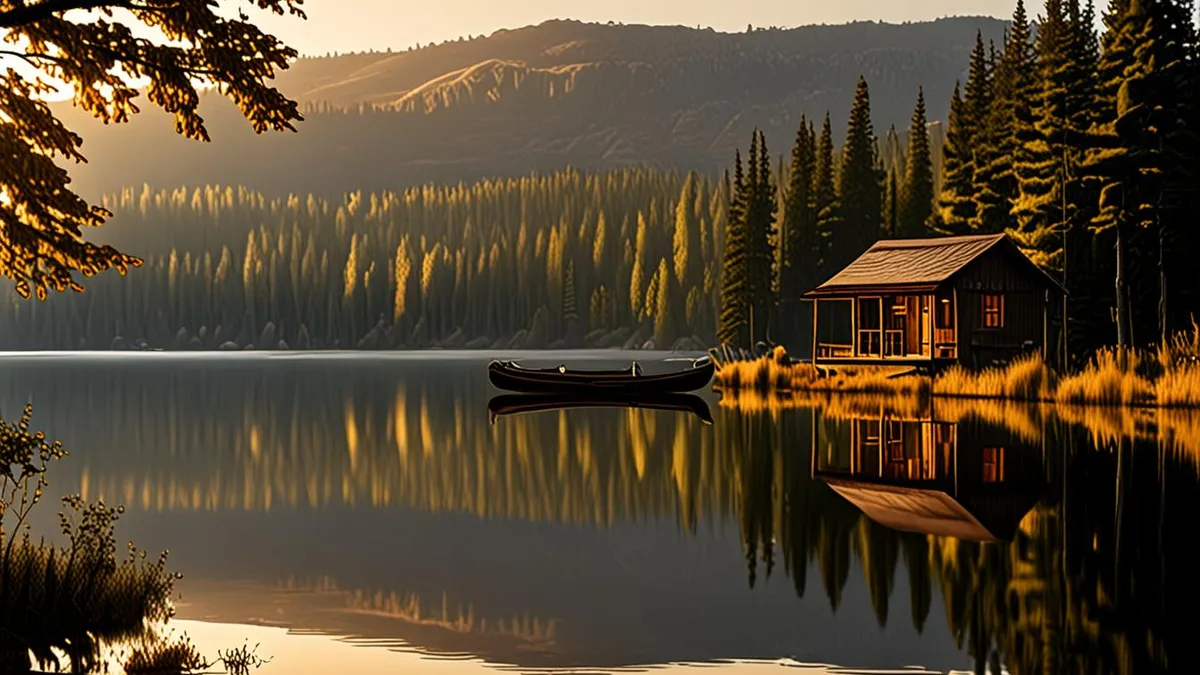
Choose a cabin for longer stays of 5 to 7 nights, where slow mornings, cooking your own breakfast and setting your own pace are part of the appeal. Self-catering cabins typically range from $70 to $180 per night for two people, which leaves room in the budget for groceries, fuel and the occasional paid activity.
Cabins work best if you have your own transport and don’t mind a 30 to 90 minute drive to the nearest town. That drive is the trade-off for privacy and scenery, and for many travelers it’s part of the fun rather than a downside.
A cabin likely fits you if:
- You’re a couple or a small group. Splitting a cabin rental between two to four people keeps the per-person cost well below most lodge rates.
- You like cooking on vacation. A full kitchen turns dinners into part of the experience and saves you from eating out every night.
- You enjoy the drive itself. Forest roads, lake routes and mountain passes become part of the trip, not just the commute.
That said, cabins aren’t the only way to slow down. If you like the idea of an unhurried, quiet base but still want some service, it’s worth reading a slow lodge escape in Pai to see how a small lodge can deliver a cabin-like pace with staff on hand.
Budgeting: What Each Stay Type Really Costs
The nightly rate tells you less than you think. Lodge prices look high at first glance, but most include meals, guided activities and often transfers, so the sticker price covers a big chunk of your total trip. A cabin looks like the bargain until you add up everything it doesn’t include.
With a cabin, the room rate is just the starting point. You’ll pay for groceries, fuel for repeated drives into town, and every tour or activity booked separately. Those costs add up quietly, and they also cost you time: shopping, cooking and planning each day are part of the deal.
Run the five-night math
Take a five-night trip as an example. A lodge at $200 a night costs $1,000 for the room, but that figure typically includes your dinners, breakfasts and a couple of guided outings. A cabin at a lower nightly rate can easily end up costing more once you add grocery runs, fuel and two or three paid tours booked on top. In many cases, the lodge works out cheaper overall, even though the headline price is higher.
The practical takeaway: before you book either one, sketch out the full trip cost. Add meals, activities, transport and any fees to the room rate, then compare the two totals side by side. The cheaper nightly rate isn’t always the cheaper vacation.
Booking Windows and Season Timing
Lodges in popular regions fill fast, and the high season crunch is real. For trips falling between June and August or December and January, aim to reserve your lodge 2 to 3 months ahead. Popular properties near parks, rivers and coastlines often have limited rooms, and the best guides and transfer slots go to early bookers. Waiting until a month out usually means fewer choices or higher rates.
Cabins are more forgiving. Outside peak weeks, booking 4 to 6 weeks ahead is typically enough, and many cabin owners keep calendars that stay open even closer to arrival. If your dates are flexible, you can often find a good cabin on fairly short notice. The exception is holiday weeks and long weekends, when cabins near lakes and mountains can fill just as fast as lodges.
Shoulder months are where both stay types get easier. May and September tend to bring lower rates and wider availability, since demand drops after the high season rush. Weather is often still pleasant, trails and waterways are quieter, and you have more negotiating room on dates and room types.
- Ask lodge reservations about their cancellation terms when booking 2 to 3 months out, since plans can shift over a longer lead time and flexible rates give you an exit.
- For cabins, message the owner or manager before booking to confirm access roads and check-in details, which matter more in shoulder months when some seasonal services wind down.
- If you want a lodge in high season but missed the 2 to 3 month window, ask about smaller sister properties or midweek dates, which often free up when weekends are full.
Matching the Stay to Your Destination
The destination often makes the choice for you. On remote islands and in jungle regions, a lodge is usually the practical pick. Transfers by boat or light aircraft, meals and guided excursions are handled for you, which matters when the nearest town is hours away and there are no self-drive rental options. Trying to run a self-catering cabin in a place with no grocery store nearby turns a vacation into logistics. My own stay in the Cambodian jungle, which I wrote about in my Cambodian jungle lodge journey, would have been nearly impossible without the lodge’s transfers and local guides.
Where cabins shine
Lake, forest and mountain road trips are natural cabin territory. The drive itself becomes part of the experience: scenic stretches between town and trailhead, mornings with coffee on the porch, evenings cooking what you like. With your own vehicle, a cabin 30 to 90 minutes from the nearest town is a minor inconvenience rather than a dealbreaker, and you gain privacy and space that most lodges can’t match.
Before you commit, check exactly how far the property sits from town, especially for cabins. A listing that says “close to everything” might mean a 90 minute drive to the nearest supermarket. Look at the map, note the distance to groceries, fuel and restaurants, and be honest about how often you want to make that run. For lodges, ask what transfers are included and from where, so you know whether the remoteness is handled or falls on you.
Choosing Between Lodge and Cabin With Confidence
So which one fits the way you travel? If you want a shorter, fully arranged trip where meals, guides and transfers are handled for you, a lodge at $120 to $400 a night is the natural pick. If you prefer longer stays, slow mornings and cooking your own meals, a cabin at $70 to $180 a night gives you more space and freedom for less.
Remember the booking windows differ too: lodges need 2 to 3 months of lead time for high season, while cabins usually only require 4 to 6 weeks. In the end, your trip length, your transport situation and your appetite for planning decide the winner. If this helped you sort out your next stay, leave a comment or share the article with a fellow traveler.