Glamping has exploded in popularity, and with hundreds of glamping site listings now online, it’s harder than ever to tell a genuinely great stay from an overpriced tent with good photography. A plush-looking dome can turn out to sit ten feet from its neighbor, and that “secluded safari tent” might share a bathhouse with thirty other guests.
The good news: most disappointments are avoidable with a little groundwork before you book. This guide walks you through the decisions that matter, starting with the kind of experience you actually want, from treehouses to yurts. We’ll cover how to pick a location that fits your trip goals, time your stay around the glamping season, set a realistic budget, and scrutinize amenities and site layout. Finally, you’ll get the exact questions to ask a host before confirming, so you can book with confidence.
Define What Kind of Glamping Experience You Want
The first decision shapes everything else: what kind of structure do you actually want to sleep in? Safari tents, geodesic domes, yurts, A-frame cabins and treehouses all deliver very different levels of comfort, insulation and atmosphere. A safari tent usually means canvas walls, real beds and a covered deck, while a dome often feels more open to the view but can heat up or cool down quickly. A-frame cabins and treehouses tend to be the most weatherproof option, since solid walls handle wind and rain far better than fabric.
Bathrooms are the next big filter. Some sites give every unit an en suite bathroom, while others rely on a shared bathhouse a short walk away. Neither is wrong, but stumbling to a toilet block at 2 a.m. in the rain is not everyone’s idea of luxury. Finally, think about the social side: some sites center everything around communal fire pits and shared kitchens, while others space units far apart so you never hear a neighbor. Ask yourself which one you’d actually enjoy after a long day outdoors.
- Safari tents: Best for first-timers who want a hotel-style bed and deck without committing to a full cabin price.
- Geodesic domes: Often feature panoramic windows or skylights, ideal if stargazing or views are the point of the trip.
- Yurts: Round, insulated and cozy, but usually a single open living space, so they suit couples more than groups wanting privacy.
- A-frame cabins: Solid construction and often a small kitchen, a good pick for cooler months or travelers wary of canvas.
- Treehouses: Usually the most memorable option, but expect narrower stair access and limited luggage space, so pack light.
Pick a Location That Matches Your Trip Goals
A stunning glamping site in the wrong place can eat half your vacation in driving time. As a rule of thumb, look for sites within 30-60 minutes of the natural attractions you actually plan to visit, whether that’s a swimming lake, a network of hiking trails or a rainforest lookout. Check the map before you fall in love with the photos, because a cheap site two hours from the trailhead rarely stays cheap once you add fuel, early starts and tired evenings.
Road access matters more than you think
Many glamping sites sit at the end of rural roads, and the last stretch is not always paved. Some require a high-clearance vehicle, and a few become tricky after heavy rain. If you’re renting a car, confirm the road conditions with the host and mention what you’ll be driving. Arriving at dusk to discover a rough gravel track your sedan can’t handle is a mistake you only make once.
Remote or convenient?
Remoteness is often the selling point, but it cuts both ways. Fully off-grid sites may have no phone signal for your whole stay, which is blissful for some travelers and stressful for others. If you need to stay reachable for work, or you’re traveling with kids and want backup for emergencies, check the connectivity situation honestly. A site with partial signal or a hotspot in the main lodge can be a good middle ground between unplugging completely and staying in touch.
Time Your Trip Around the Glamping Season
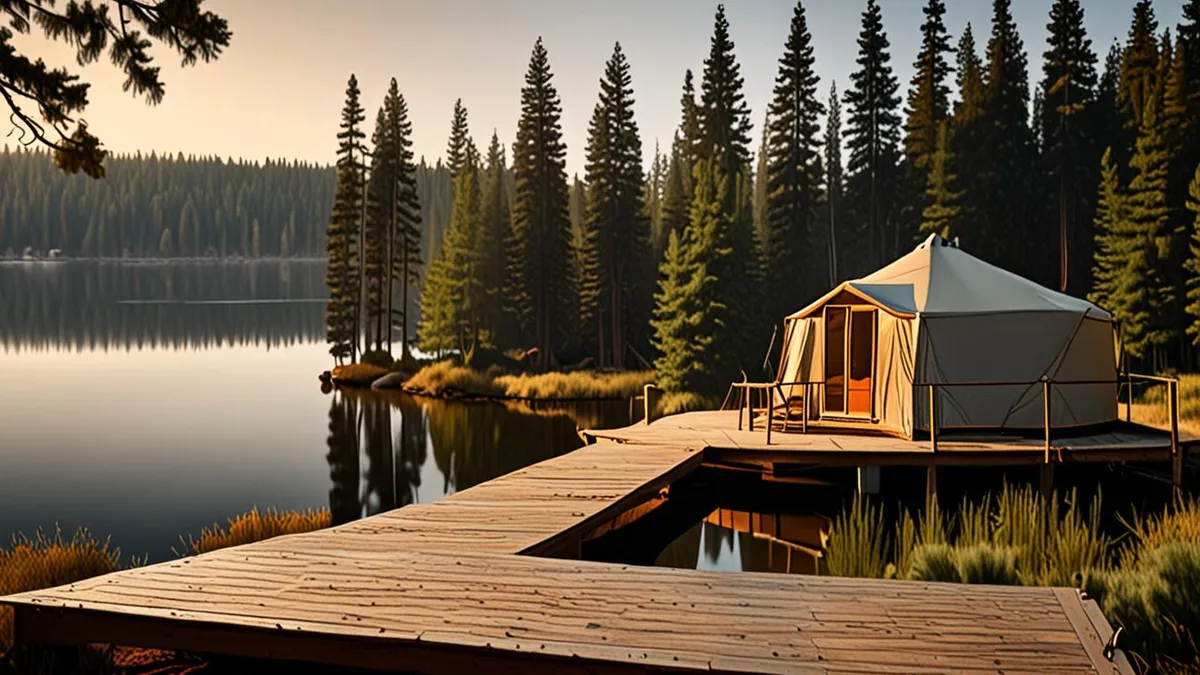
Timing can make or break a glamping trip, because canvas and thin-walled structures are far more sensitive to weather than a hotel. In most temperate regions, the reliable window is May to September, when nights are warm and dry enough for canvas accommodation to feel comfortable rather than damp. Outside that stretch, you can still have a wonderful stay, especially in solid cabins with proper heating, but you’re taking a bigger gamble on cold nights, rain and muddy paths between your unit and the bathhouse.
Demand peaks hard in summer. The best units, the ones with the views, the en suite bathrooms and the generous spacing, sell out first, so book popular sites 2-3 months ahead for summer weekends if you have your heart set on a specific tent or dome. Waiting until a few weeks out usually means choosing from what’s left, not what’s best, and the compromise is rarely worth it when you’re paying premium rates.
That said, peak season isn’t the only way to get a great stay. Shoulder months reward flexible travelers with lower prices, emptier sites and some of the most pleasant weather of the year. A few things to keep in mind:
- Shoulder-month savings: In May or September, off-season rates can drop 20-40% below peak prices, so the same dome that’s out of budget in July may fit comfortably in spring.
- Quieter sites: Shoulder months bring fewer guests, which means more space around communal areas and less competition for fire pits and picnic spots.
- Milder packing: Early-season trips often mean cool mornings and warm afternoons, so pack layers rather than relying on the site’s heating alone.
- Weekday trick: If your schedule allows, a mid-week stay in peak season can beat a weekend in the shoulder months on both price and availability.
Set a Realistic Budget for Your Glamping Site
Glamping prices vary more than most travelers expect, and the spread comes down to how much is built into the unit and how much you pay for separately. A simple platform tent with beds and a shared bathhouse sits at the bottom of the market, while a furnished dome with a private deck, hot tub and catering sits near the top. Neither is a bad choice, but they serve different trips: a budget tent-cabin works well for a short stop on a road trip, while a luxury unit often replaces a boutique hotel stay. Knowing the general tiers before you browse helps you filter out listings that are either overpriced for what they offer or too bare-bones for your comfort level, and it makes comparing sites far faster.
As a broad guide, basic tent-cabin sites start around $80-$120 per night. Mid-range glamping typically costs $120-$250 per night, which usually buys you a private bathroom, a small kitchenette and more space around your unit. At the high end, luxury safari tents and domes often run $300-$600 per night, and that premium generally reflects extras you cannot replicate at a budget site, such as better insulation, real furniture and on-site services. A few practical points to keep in mind:
- Luxury tiers often include hot tubs, wood-fired saunas or full-service dining, so compare what meals and extras are bundled into the rate rather than just the nightly price.
- Mid-range units with kitchenettes let you self-cater, which can offset the higher rate if you are staying several nights and cooking most meals.
- Basic sites frequently charge separately for extras like firewood bundles, so factor those small add-ons into your real nightly cost.
- Larger groups can sometimes split a premium unit and pay less per person than they would for several budget sites, so run the math per head, not per night.
Scrutinise Amenities and Site Layout Before Booking
Photos sell a glamping site, but the details that make or break a stay are usually buried in the fine print and the site map. Before you book, spend ten minutes checking three things: how the unit handles temperature, how much space sits between you and your neighbors, and what recent guests actually said.
Temperature and spacing matter most in canvas
Canvas structures can swing 10-15 degrees between day and night, which means a tent that feels perfect at 3 p.m. can be chilly by midnight. Look for listings that mention heating, such as a wood stove, propane heater or quality bedding, and ask about cooling or fans for warm climates. Then pull up the site map or aerial photos and confirm units sit on 2-3 acres or more, rather than packed side by side like a campground. Spacing is the difference between hearing birdsong and hearing your neighbor’s playlist.
Let recent reviews do the detective work
Old reviews describe a site that may no longer exist under new management. Focus on reviews from the last season and look for three specific themes: cleanliness of bathrooms and linens, noise from nearby roads or trains, and whether the photos match reality. If multiple guests mention a highway hum that the listing never acknowledges, believe them. This same habit of verifying claims against independent records is useful beyond travel, and a resource like how to evaluate local property records before buying a house shows how cross-checking sources protects you in any big purchase.
Ask the Right Questions Before You Confirm
A short email or phone call before you pay can prevent most glamping disappointments. Hosts who answer clearly, quickly and in detail are usually hosts who run a well-organized site, so treat your pre-booking questions as a test of the whole operation. If replies take days or dodge the specifics, that is useful information too. Three topics deserve a direct answer every time, and getting them in writing protects you if anything goes wrong later.
First, ask what happens in heavy rain or storms. Canvas accommodation is wonderful in good weather, but you want to know your cancellation or rebooking options before a front moves in, not after. Second, confirm exactly what is included in the rate, because linens, cooking equipment, firewood and parking can add $20-$50 per day if they are charged separately. Third, check check-in flexibility, especially if you will arrive after dark and need help finding your unit on an unlit property. A host who happily explains the arrival process is usually a host who cares about the guest experience overall.
- Ask whether the host provides a map, marker lights or a meet-and-greet for late arrivals, since finding an unmarked tent in the dark is harder than it sounds.
- Clarify if firewood is included per night or sold per bundle, and whether the unit has a fire pit or just a stove.
- Confirm whether the kitchen is fully equipped with pots, utensils and a cooler, or whether you need to bring your own cooking kit.
- Ask about the weather policy in writing: some hosts offer flexible rebooking for storms, while others hold to a strict cancellation window, and the difference matters most in unpredictable seasons.
Choosing With Confidence
With hundreds of glamping sites now competing for your attention online, the trick to separating genuinely great stays from overpriced tents with good photography is simple: decide on your stay type, location, season and budget first, and only then start comparing photos. A dome that looks dreamy in a listing can still be the wrong choice if it sits beside a road, lacks heating or costs double what a mid-range site charges.
Most common disappointments are easy to avoid. Book 2-3 months ahead for peak-season summer weekends, read recent reviews for mentions of noise and cleanliness, and ask your questions before you confirm rather than after you arrive. Do that, and your odds of a memorable night under canvas rise sharply. If this guide helped you plan a trip, leave a comment or share it with a fellow traveler.