You search for a weekend of glamping and see one safari tent listed at $95 a night, while a similar-looking dome an hour away costs $450. Both promise a real bed, wood stove and starry sky, so what is a fair glamping cost, and where does that first price start to make sense?
The honest answer is that glamping spans a wide range, but the spread follows clear patterns: what you sleep in, which amenities are included, how close the site is to a city, and when you go. This guide breaks down typical nightly rates by accommodation type, explains what pushes prices up or down, and shows when the calendar works in your favor. We also cover the hidden fees that change your total, a simple step-by-step way to budget your trip, and practical tactics for getting more value from the same budget. By the end, you will be able to look at any listing and judge whether the price is reasonable.
What Does Glamping Cost Per Night?
Glamping prices cluster into three broad tiers, and knowing them helps you spot a fair deal fast. Budget tents and basic canvas sites typically cost $50–$150 per night. At this level you usually get a proper bed on a frame, bedding, and shared bathroom facilities, sometimes with a communal kitchen or fire pit. It is a big step up from camping, but expect fewer frills.
Mid-range yurts, safari tents and small cabins usually run $150–$300 per night. This is the sweet spot for many travelers: private bathrooms or at least private toilets become common, tents are larger and better furnished, and sites often sit in scenic countryside with decks or outdoor seating.
The luxury tier
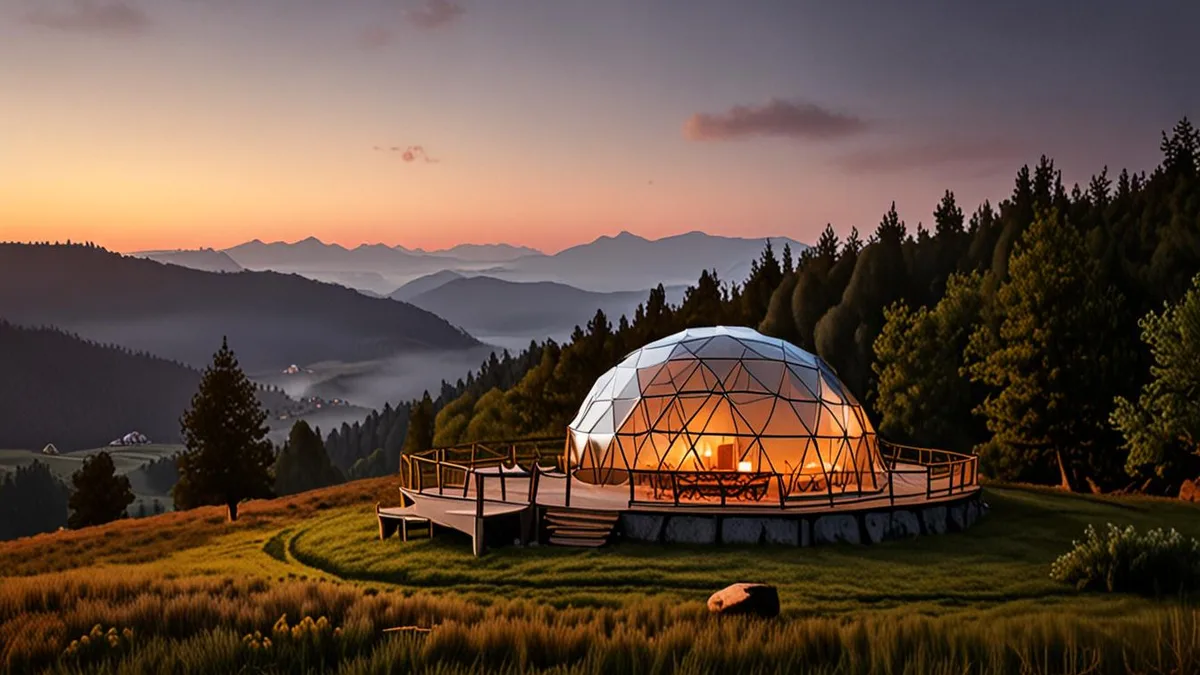
Luxury domes, treehouses and lodge-style tents often start at $300–$600+ per night. These properties typically include ensuite bathrooms, private hot tubs, full kitchens or kitchenettes, and design touches that feel closer to a boutique hotel than a tent. Some high-end treehouses and architect-designed domes go well beyond the top of this range.
Region matters too. Countryside sites within easy reach of major cities charge noticeably more than remote rural spots, simply because demand from weekend city dwellers is higher. The same yurt can cost a third more near a metro area than in a quiet inland region, so comparing a few regions before you commit can genuinely pay off.
What Drives Glamping Prices Up or Down
Two glamping sites in the same region can differ by hundreds of dollars a night, and the reasons are usually easy to spot once you know what to look for. The biggest driver is amenities: ensuite bathrooms, private hot tubs and full kitchens push a site into the top tiers, while a canvas tent with shared facilities and a simple wood stove sits at the budget end. Location is the second big factor, since sites within an easy drive of a major city command a premium over remote spots that take a full day to reach.
Occupancy and the age of the property round out the picture. A site that sleeps a family of five will list a higher nightly rate than a two-person tent, but the cost per person often works out lower. And a brand-new dome with award-winning design will simply price above an older, simpler setup on the same lane. A few details worth checking on any listing:
- Heating and cooling: a wood stove, air conditioning or heated flooring is expensive to install and maintain, and sites with it price accordingly, especially for stays outside warm summer months.
- Private outdoor space: your own deck, fire pit or hot tub adds real cost; a shared communal area usually signals a lower tier.
- Meals and services included: some properties bundle breakfast or daily housekeeping into the rate, which makes a higher nightly price more reasonable than it first appears.
When comparing sites, match amenities against amenities. A pricier tent with an ensuite bathroom and hot tub can be better value than a cheaper one where you walk to a shared shower block in the dark. Decide which extras you will actually use, and pay for those rather than for a long list of features you will ignore.
Season and Timing: When Glamping Is Cheapest
Timing changes glamping prices as much as the tent itself. Peak season, which runs from June to August across the Northern Hemisphere, can add 20–50% to nightly rates. A yurt that costs $180 in spring may list at $270 or more in July, simply because school holidays and warm weather concentrate demand into a few short months.
Use the shoulder months
Shoulder months like May, September and early October offer similar weather at lower prices. Nights can be cooler, but you get quieter sites, more availability and often the same scenery with thinner crowds. For many travelers, a September safari tent stay delivers most of the summer experience at a noticeably lower total cost.
Weekday stays often cost 15–30% less than the same site on a weekend night. Most glamping sites fill up Friday and Saturday and sit partly empty midweek, so owners discount to keep occupancy up. If your schedule allows a Monday or Tuesday check-in, the savings are immediate and require no compromise on the accommodation itself.
Finally, book early for peak dates. Booking 3–6 months ahead secures the best availability and rates for summer weekends, when the most desirable units sell out first. Last-minute summer deals do exist, but they tend to be the leftover units, not the best ones, so early planning gives you both choice and price on your side.
Hidden Fees That Change the Total Glamping Cost
The nightly rate you see on a listing is rarely the amount you actually pay. Glamping sites and booking platforms add several charges on top of the base price, and on a short stay these extras can feel almost as large as the night itself. Before you book, scroll past the headline rate and read the full price breakdown.
Cleaning or service fees on booking platforms can add $30–$100 per stay. Some owners charge this themselves, some platforms add their own service fee at checkout, and occasionally you pay both. On a short break, those charges can push the total far above what the listing seemed to promise, so always expand the fee summary before entering payment details.
Minimum stays are the other big surprise. Many sites require multi-night bookings on weekends and holidays, which multiplies the visible nightly price before you have even checked availability. If you only want one night, look at midweek dates or smaller operators who set their own rules.
Beyond the booking itself, most sites price extras separately. Expect to pay on site for things like:
- Firewood bundles, which many sites sell per bundle or per crate rather than including an unlimited supply in the rate
- Breakfast baskets or cooked breakfasts, often offered as an optional add-on you order the day before
- Bookable activities such as guided walks, kayak rentals or stargazing sessions, which are run by the site or a local partner and charged per person
- Late checkout or early check-in, which some owners offer for a small surcharge if you ask in advance
None of these extras are tricks, but they change the math. A site that looks expensive may include breakfast, firewood and kayaks in the rate, while a cheaper-looking neighbor charges for every one of them. Always compare the full stay cost, not the per-night number.
Budgeting Your Glamping Trip Step by Step
Glamping only looks expensive or cheap depending on how you add it up. The nightly rate you see first is rarely the number you actually pay, and that gap catches a lot of first-time bookers off guard. A quick, structured budget takes ten minutes and saves you from checkout surprises, especially on platforms where fees stack up quietly until the final screen. Here is a simple way to work out what a trip will really cost before you commit.
- Find the nightly rate for your travel month. Check the calendar on the listing for your actual dates, since the same site can show very different prices for a Tuesday in May and a Saturday in July.
- Add the cleaning or service fees. These can add a meaningful chunk per stay on booking platforms, and some sites list their own cleaning charge separately from the platform fee, so read the price breakdown line by line.
- Multiply by the required minimum nights. On weekends and holidays, minimum stays of 2–3 nights are common, so your two-night plan may have to become three to book at all.
- Divide the total by the number of travelers. A family of four sharing one larger site often pays less per person than two couples booking separate smaller tents, and that per-person figure is the fairest way to compare options.
- Set aside a buffer for on-site extras. Meals at the site restaurant or food truck, firewood, breakfast baskets and bookable activities are usually charged separately, so a modest buffer keeps them from derailing the budget.
- Compare two or three sites in the same area. Line up what each rate includes: one site’s higher nightly price may cover breakfast, hot tub use and firewood that a cheaper site bills as add-ons.
Once you have run this calculation a couple of times, you will spot the patterns quickly. Sites with transparent, all-in pricing often work out cheaper than the ones with the lowest headline rate, and the per-person figure is the number that tells you whether glamping beats the alternatives for your group. Write the full total down before booking, and you will rarely be surprised at checkout.
How to Get More Value for Your Glamping Budget
You do not need to compromise on comfort to bring a glamping trip into budget. Small changes to timing and booking method regularly shave a meaningful amount off the total, sometimes without changing the site at all. These are the moves that make the biggest difference.
The simplest lever is the calendar. Shifting a weekend stay to Sunday–Tuesday nights usually brings the nightly rate down noticeably at the same site, and you get quieter grounds as a bonus. If your schedule is fixed to weekends, booking in shoulder season instead is the next best option: the same mid-range sites that command peak prices in July often cost noticeably less in May or September, with weather that is frequently just as pleasant.
Group size matters too, and it works in your favor if you plan it well. A few other ways to stretch the budget:
- Larger sites that sleep 4–6 people can drop the per-person cost below what two smaller tents would cost, since one big safari tent or cabin usually prices lower than two separate bookings
- Direct bookings with site owners sometimes skip platform service fees entirely, and owners occasionally throw in a small perk such as late checkout for booking directly
- Signing up for a favorite site’s newsletter or following it on social media often gets you early word of last-minute cancellations and off-season deals
- Asking about midweek long-stay discounts can pay off if you can stretch a trip to four or five nights outside peak season
None of these tricks require settling for a bare-bones site. Most travelers find that a midweek or shoulder-season stay at a well-equipped site delivers a better experience than a peak-Saturday booking at the same budget, simply because the grounds are quieter and the hosts have more time for guests.
The Bottom Line on Glamping Prices
So what does a fair glamping rate look like? Most of the prices you see online fall into three broad bands: budget tents typically run $50–$150 per night, mid-range yurts and safari tents sit around $150–$300, and luxury domes or treehouses often start at $300–$600+. If a listing is far outside these ranges, it is worth asking what justifies the difference.
Season, location, amenities and weekday versus weekend timing explain most of the price spread you will encounter. Just remember that the nightly rate is rarely the whole story: cleaning fees and minimum stays of 2–3 nights on weekends can change the real total, so factor those in before you book. If this guide helped you price your next trip, leave a comment or share it with a fellow traveler.