Glamping is booked year-round, but picking the wrong month can mean sweltering tents, monsoon rain or peak-season prices. A safari-style tent that feels magical in May can turn into an oven in August, and a rainforest dome in the middle of the wet season is a very different trip from the one in the photos. So when should you actually go?
The answer depends on where you’re going. The best seasons for glamping vary by destination type, because a desert, a mountain, a rainforest and a coastline each have their own weather patterns, crowd levels and price swings. In this guide, we break down why timing depends on the setting, then walk through desert glamping from October to April, mountain and alpine trips from June to September, rainforest stays around the wet season, and coastal and forest escapes that shine in the shoulder months. We’ll also cover how far ahead to book, and wrap up with a simple plan for matching your dates to your destination.
Why the Best Seasons for Glamping Depend on Destination Type
Here’s the uncomfortable truth about glamping: the tent doesn’t control the weather. You can book the most luxurious dome on the market, complete with a wood-burning stove, a proper bed and a private deck, and it will still be miserable if you arrive during the hottest week of the year or the wettest. Climate drives comfort far more than tent style does, which is why the calendar matters as much as the property itself.
Each destination type also has a different sweet spot, and they don’t overlap neatly. The months that make a desert comfortable are not the months that make an alpine meadow pleasant, and the window that keeps a rainforest relatively dry won’t do much for a coastal site at the height of summer. On top of the weather, every destination has its own rhythm of crowds and pricing. Peak weeks bring the best conditions at some sites and the worst value at others, while shoulder months often deliver nearly as good an experience for noticeably less money.
How this guide is organized
To make planning easier, we’ve broken the timing down by setting: desert, mountain and alpine, rainforest, coastal, and temperate forest. Each section covers when to aim for, when to avoid, and what trade-offs to expect, from packing layers for chilly desert nights to booking months ahead for popular summer weekends. Read the section that matches your trip, or skim all of them if you’re still choosing between destinations. By the end, you should be able to match a month to a landscape with reasonable confidence, and know roughly how far in advance to lock in your dates.
Desert Glamping: October to April
Deserts are a study in extremes, and that’s exactly why timing matters so much here. The good news is that the comfortable window is long: desert glamping works well from October through April, giving you roughly seven months to choose from. Within that window, the shoulder months of October-November and March-April are the sweet spot, offering warm days that are perfect for hiking and exploring, paired with cool nights that make sleeping in a tent genuinely pleasant rather than a battle against the thermometer.
Summer is the season to avoid. From June through August, daytime highs in many desert regions regularly top 40°C (104°F), and even the best-insulated dome or safari tent struggles to stay comfortable without serious air conditioning. Activities get pushed to dawn and dusk, and midday often means hiding indoors. If your heart is set on a specific desert site, check what cooling setup it offers before booking anything in summer.
What winter desert nights actually feel like
Don’t assume winter means constant warmth. Desert temperatures swing hard in both directions, and even in December and January, nights can drop near freezing. Days may be mild and sunny, but once the sun sets, that heat vanishes fast. This is the classic desert trap: travelers pack for the daytime forecast and then shiver through the evening.
The fix is simple. Pack layers even in midwinter, including a warm jacket, a beanie and thick socks for sitting outside after dark. Many glamping sites provide stoves, fire pits or extra bedding, but confirm what’s included before you go. If you plan your layers around the cold snaps rather than the sunny afternoons, a winter desert trip can be one of the most rewarding versions of the experience, with crisp star-filled skies and none of the summer crowds.
Mountain and Alpine Glamping: June to September
Mountain and alpine glamping lives or dies by the short summer window. Snow lingers at elevation well into spring, and conditions can turn cold and wet again by autumn, so the reliable season runs roughly from June to September. Within that window, July and August stand out: these months bring the most stable weather, the warmest nights and the widest range of activities, from high-elevation hiking to swimming in alpine lakes. The trade-off is demand. Everyone else has figured out that midsummer is the time to go, so the most popular sites fill up fast and prices sit at their highest.
That demand is why planning ahead matters more in the mountains than almost anywhere else. For peak summer weekends at sought-after sites, aim to book 3-6 months in advance. Popular glamping properties in scenic mountain regions often sell out that far ahead for July and August, and waiting until spring usually means settling for leftover dates or a less desirable location.
Why June and September deserve a closer look
If your schedule allows any flexibility, the edges of the season are where the value lives. June and September bring fewer crowds, quieter trails and a calmer pace at the sites themselves, and rates often run 20-40% below peak-summer prices. The weather is a bit more of a gamble, but for many travelers that’s a fair trade.
- Longer daylight in June: around the summer solstice, evenings stay light late, which stretches your usable day for hikes, campfire dinners and stargazing from your tent’s deck.
- September’s early autumn color: at higher elevations, foliage can start turning before the leaves change lower down, so late-September trips sometimes catch the first patches of gold and red.
- Easier last-minute logistics: with less demand, it’s usually simpler to add extras like guided hikes, gear rentals or an extra night, since sites aren’t running at full capacity.
- Cooler hiking conditions: shoulder-month daytime temperatures are typically gentler on the trail, which matters if your trip centers on longer or steeper routes.
Whichever month you choose, pack for swings. Even in August, mountain nights can be chilly, and a clear afternoon can turn to a passing storm within an hour. Layers and a rain shell are non-negotiable at elevation.
Rainforest Glamping: Timing Around the Wet Season
Rainforests don’t really have an “off” season the way deserts or mountains do. Humidity is a constant companion, and many rainforest regions stay warm all year. That means your goal isn’t to find perfect weather, it’s to target the drier windows, which in many popular rainforest destinations often fall between June and August. Check the specific wet and dry seasons for the country or region you have in mind, since they vary by hemisphere and local climate patterns.
Even in the driest months, plan on afternoon showers. In the rainforest, rain is part of the experience, not a reason to cancel. What separates a comfortable stay from a soggy one is the design of your tent or lodge: look for covered decks where you can sit outside with a coffee during a downpour, and screened tents that keep airflow going while keeping insects out. A solid rain fly and raised flooring are worth asking about before you book.
If your dates are flexible, consider the shoulder months just before or after the dry season. You’ll trade some dryness for noticeably lower prices, and the scenery is often at its most dramatic, with rivers running full and vegetation looking extra lush after recent rains. Fewer visitors also means more privacy at popular lodges. For inspiration on where to go, my shortlist of rainforest escapes worth the humidity covers several destinations that shine in these shoulder windows.
One practical tip: pack quick-drying clothing and a light rain shell, and keep electronics in dry bags. Footwear with real grip matters too, since trails and boardwalks stay slick year-round.
Coastal and Forest Glamping: Shoulder Seasons Win
Coastal and forest glamping reward travelers who can shift their dates by a few weeks. The difference between peak and shoulder season at these destinations is often the difference between sharing a beach with hundreds of people and having a stretch of sand nearly to yourself.
Coastal glamping: aim for May-June and September
For coastal trips, May to June and September are the sweet spots. The water and air are warm enough for swimming and long beach days in most temperate destinations, yet you skip the July-August crowds that fill beachside sites and drive prices up. September is especially pleasant in many places, with warm sea temperatures left over from summer and a calmer atmosphere once school holidays end.
Forests: catch the foliage window
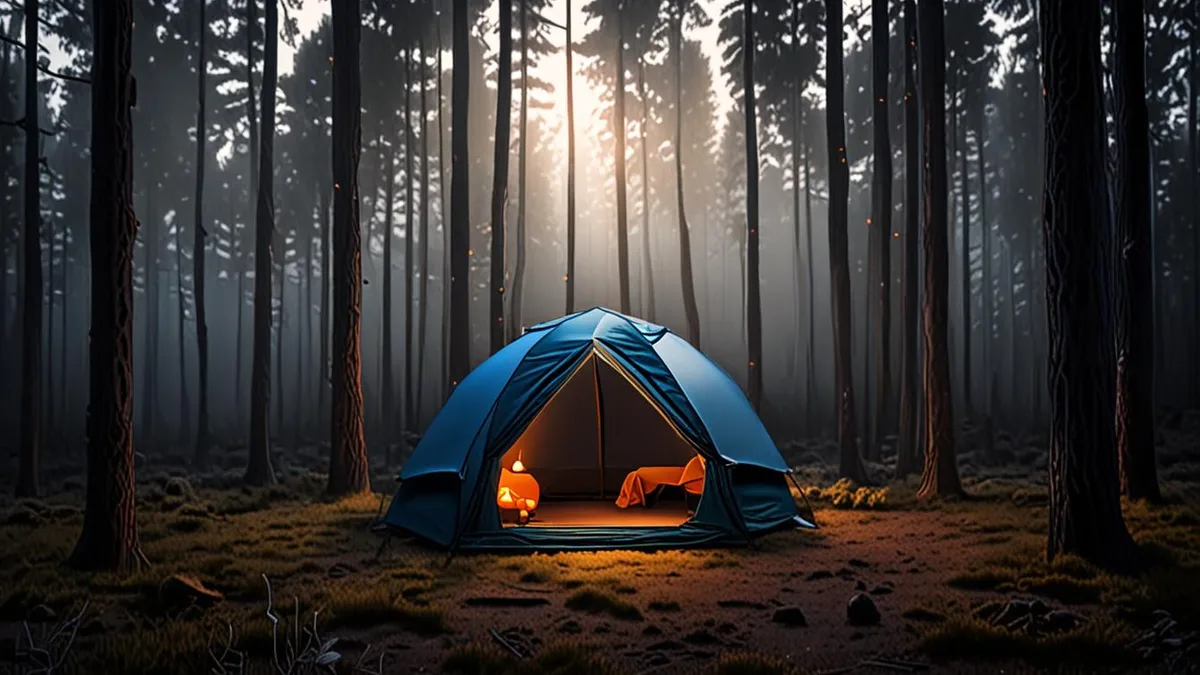
For temperate forests, late September to mid-October is prime time for autumn foliage glamping. Waking up in a safari tent or cabin surrounded by red and gold canopy is one of the best value experiences in outdoor travel. Book early for foliage weekends, though, because leaf-peeping season draws big demand in popular regions and the color peak is short.
The financial case for shoulder seasons is strong too. Rates typically sit well below peak-season prices, which can mean a nicer tent, a longer stay, or both, for the same budget you’d spend in high summer. Check cancellation policies when booking foliage trips, since the exact color peak shifts from year to year with the weather.
How Far Ahead to Book Glamping Stays
Glamping sites are small by nature, often just a handful of tents or domes rather than dozens of rooms, so the best units at sought-after locations disappear quickly. A single cancellation or a slow weekend can be the difference between getting the safari tent you wanted and settling for whatever is left. How far ahead you should book depends heavily on when you plan to travel, and planning that window around your dates pays off.
- Book well ahead for peak-season dates. Popular glamping sites often sell out far in advance for peak dates, especially summer weekends at well-known destinations. If you have your heart set on a specific site or a specific tent, act as early as the operator opens their calendar. Midweek dates usually offer more breathing room than weekends, so if your schedule allows, shifting your stay by even a day or two can dramatically widen your options.
- Book shoulder-season trips one to two months out. Outside peak periods, availability opens up considerably. Booking a month or two ahead often gets you a good selection of dates and tent types, plus better flexibility if your plans shift. This is also when you’re more likely to catch last-minute deals or extended-stay offers, particularly at sites trying to fill quieter weeks.
- Set cancellation alerts if a peak site is already full. If your preferred dates are booked solid, ask the site or booking platform whether they offer waitlists or cancellation notifications. Plans change, and a spot that opens up two months out can rescue a trip. Check back periodically too, since inventory sometimes reappears without an alert system in place.
One more habit worth building: once you’ve booked, confirm your reservation details a week or two before arrival, including check-in procedures, directions and any weather-related policies. A quick confirmation email can prevent surprises at the gate, especially at remote sites with limited staff or patchy phone coverage. It also gives you a chance to ask about practicalities like parking, luggage transport to your tent and whether meals or firewood need to be arranged in advance.
Wrapping Up Your Glamping Season Plan
Glamping is bookable year-round, but the wrong month can leave you with a sweltering tent, monsoon rain or peak-season prices. The fix is simple: match the month to the destination type. Deserts work best from October to April, mountains from June to September, and coasts shine in shoulder months like May to June and September.
Timing your booking matters just as much as timing your trip. Reserve 3-6 months ahead for peak dates at sought-after sites, and lean on shoulder seasons for savings, with rates typically 20-40% below peak. Get the season right, and a good glamping stay becomes a great one. If this helped you plan your trip, leave a comment or share the article.