You’ve pictured it: a night under the stars, far from traffic and screens. But when you start searching, the options split in two directions. Do you book a furnished dome with a real bed and a wood stove, or throw a tent in the trunk and grab a campsite for a fraction of the price? If you can’t tell which style actually suits your budget and comfort level, you’re not alone.
This glamping vs camping guide breaks down the decision before you book. We’ll compare the core differences, walk through the amenities each option offers, and lay out what you’ll realistically pay. You’ll also find packing checklists for both styles, advice on picking the right setting and season, and a look at which type of traveler each option suits best. By the end, you’ll know exactly which night outdoors is right for you.
Glamping vs Camping: The Core Differences
The biggest difference comes down to who does the work. With glamping, you arrive to a structure that’s already standing: a safari tent, yurt, cabin or dome with a real bed, heating or cooling, and often a private bathroom. With traditional camping, you set your own tent, cook on your own stove, and share whatever facilities the campground offers, which might be as basic as a pit toilet.
What the price gap actually buys
Glamping typically runs $150-400 per night, while a basic campsite costs $15-50. That gap reflects more than a fancier bed. It covers housekeeping, provided furnishings, on-site staff, and locations that are often more scenic or exclusive than a standard campground loop. You’re also paying to skip the logistics: no gear to buy, no tent to pitch, no cooler to pack.
Camping, on the other hand, rewards self-reliance. You can change plans on a whim, move to a different site, and keep your costs low once the gear is bought. If you enjoy the process of setting up camp and cooking outdoors as part of the experience, that flexibility is worth a lot. If you’d rather spend your evening on a deck with a glass of wine than wrestling tent poles in the dark, glamping removes setup, cooking and gear logistics entirely.
Comfort and Amenities You Can Expect
Glamping units vary by property, but the baseline is consistent: a queen or king bed with proper linens, interior lighting, and either an en-suite bathroom or a private one a short walk away. That alone puts the experience closer to a boutique hotel than a campsite, and it explains why so many first-time outdoor guests choose this route. Before you book, though, read the unit description carefully, because the extras differ a lot between properties and between tent, cabin and dome styles.
Many glamping resorts add features such as:
- Wood stoves or fireplaces that keep the unit warm on cool nights, sometimes with firewood included and sometimes as a paid extra you settle on arrival
- Private decks or verandas with seating, often positioned for sunrise or sunset views over the surrounding landscape, which can be the deciding factor when two units cost the same
- Outdoor baths or hot tubs, which are frequently the most photographed feature of a unit and the first thing to confirm is actually part of your booking rather than reserved for a different room category
- Kitchenettes or BBQ stations, ranging from a kettle and mini fridge to a full cooking setup, which determines whether you need to plan restaurant meals or can self-cater for the whole stay
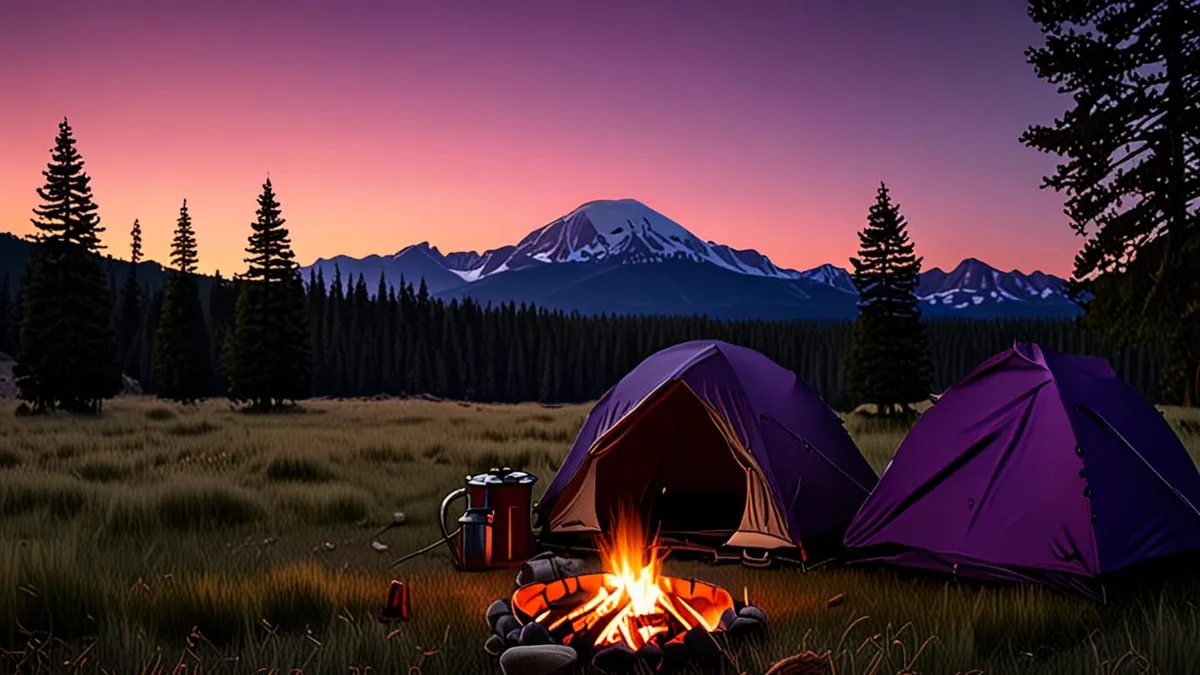
Campgrounds are far more varied. A primitive site may offer nothing beyond a patch of ground and a pit toilet, while a developed campground can include hot showers, potable water, fire rings and picnic tables. That range matters when you plan meals, morning routines and how much water to carry in. Check the specific site listing rather than assuming the whole campground has the same facilities, and confirm whether showers are free or coin-operated. And if you’re comparing a glamping stay with buying a property near the outdoors, it helps to understand how local property records work before you commit.
Costs and Booking Lead Times
Both styles add weekend premiums, so a Friday and Saturday night can cost noticeably more than midweek rates at the same property or campground. Resorts and popular campgrounds price their best spots around demand, and weekends are when demand peaks. If your dates are flexible, shifting your stay to Sunday through Wednesday is the easiest way to trim the total without sacrificing anything.
When to book
Timing matters as much as price. For the June to August peak, reserve glamping units 2-3 months ahead, because the best units at popular resorts often disappear early. Popular campsites also fill quickly, often 1-2 months out, especially those with lake views or easy trail access. Last-minute spots do open up with cancellations, but you shouldn’t count on them for a peak-season trip.
One detail that trips up first-time glampers is the minimum stay. A 2-night minimum is common at glamping resorts on weekends, which means the “per night” rate you saw online isn’t your real trip cost. Always calculate the full booking total before comparing it against a one-night campsite. A unit with a 2-night weekend minimum effectively doubles the headline rate, and that full figure is what you should weigh against camping, not the advertised nightly price.
It also pays to read the fine print on what the rate includes. Some glamping resorts bundle linens, firewood or cleaning fees into the price, while others add them at checkout. Ask before you book so the final total doesn’t surprise you.
Packing and Preparation for Each Style
Packing is where glamping and camping differ most sharply. A traditional camping trip means hauling roughly 20-30 kg of gear, and every item has to earn its place in the car. Glamping flips the equation: bedding, kitchenware, lighting and furniture are already on site, so you typically bring only clothing and personal items.
If you are going the camping route, preparation starts before you leave home. Test-pitch your tent in the backyard or living room so you know the poles, pegs and rainfly are all there and you can set it up in under 15 minutes. Plan your first day’s meals around foods that need no refrigeration, since your cooler will only stay properly cold for so long. Pack a repair kit with spare tent pole sections, duct tape and extra stakes, because a snapped pole far from a store can end a trip early.
Even glampers should pack with some thought, though. Check what your unit includes before you leave, and bring a few extras that make the outdoors more comfortable.
- Headlamps for everyone in your group, plus one spare, so nobody is fumbling for a bathroom path in the dark, even at sites with lighting.
- Quick-dry towels and flip-flops if your unit has a shared bathhouse or an outdoor shower rather than an en-suite bathroom.
- A soft duffel instead of hard suitcases, since many glamping tents and safari-style units have limited floor space and uneven ground.
- Layers and a warm hat even in summer, because nights at forest and highland sites can drop well below daytime temperatures.
- Bug spray and sunscreen regardless of style, as decks and fire pits still put you outdoors for hours at a time.
Choosing the Right Setting and Season
Timing shapes both the price and the feel of your trip. June to August is peak season for most glamping destinations and popular campgrounds: the weather is the most reliable, but rates climb to their highest and availability is at its thinnest. To secure a peak-season spot, plan your reservations early, and expect popular campsites to fill up well in advance too.
The shoulder months of May and September are the sweet spot for many travelers. You typically get lower prices and quieter grounds at both stay types, with fewer crowds at shared facilities and more last-minute options. The trade-off is weather that can be less predictable, so check forecasts and pack an extra warm layer.
Match the setting to your style
Setting matters as much as season. Forest and highland landscapes suit glamping lodges best: elevated decks, wood stoves and large windows are designed to frame trees and mountain views, and you get a warm, dry base even when the air turns damp. These sites often sit close to trailheads, so you can hike by day and return to a real bed.
Lakesides and backcountry sites, on the other hand, reward traditional tents. Waking up steps from the water, paddling at dawn or spending a night far from any road is the kind of experience that self-set camping is built for. If swimming, fishing or stargazing without light pollution is your priority, a tent by the lake or deep in the backcountry will deliver more than a furnished unit near a lodge ever could.
Who Each Option Suits Best
The right choice depends less on the destination and more on who is traveling. Glamping fits first-time outdoor guests who want nature without the learning curve, couples looking for a romantic base with a real bed and a deck, and travelers who simply do not own gear or have no place to store it. It also works well for special occasions, like anniversaries or milestone birthdays, where a night of rain should not ruin the plan. Camping suits budget travelers, families who want kids to learn hands-on skills like pitching a tent and cooking on a stove, and explorers heading to remote areas where furnished units simply do not exist. Many seasoned campers happily do both: a few nights under canvas followed by a glamping finish to the trip.
Group size is a practical constraint worth checking early. Glamping units usually sleep 2-4 guests, so a group of six friends may need to book two or three separate units, which multiplies the nightly cost and can split the group across different buildings. A family tent, by contrast, can sleep up to 6 under one canvas at a fraction of the price, keeping everyone together.
- First-timers should look for glamping units with en-suite bathrooms and on-site hosts, so a question or a locked-out situation has an easy fix.
- Couples should ask about units with outdoor baths, fire pits or private decks, since these features often make the difference between a good and a memorable stay.
- Budget travelers can stretch a camping trip by choosing sites with potable water and fire rings, which cut the gear you need to bring.
- Families with young kids may want campgrounds with hot showers and playgrounds nearby, so the first trips build confidence rather than misery.
- Remote-area explorers should prioritize self-sufficiency: a reliable stove, water filtration and a repair kit matter more than any amenity list.
Wrapping Up Your Glamping vs Camping Decision
So which one fits your budget and comfort level? Glamping trades a higher nightly rate for comfort, provided amenities and minimal packing — you show up with your personal items and sleep in a real bed. Camping costs far less and rewards preparation, but demands gear and self-sufficiency, from hauling 20-30 kg of equipment to cooking your own meals.
Whichever style you choose, timing matters. Booking 2-3 months ahead for peak season locks in the best of either style, since both glamping units and popular campsites fill up quickly in summer. Match the option to your budget, your group size and how much roughing it you genuinely enjoy, and your night under the stars will be a good one. If this helped you decide, leave a comment or share the article with a friend planning their next trip.