Glamping for honeymoons promises the best of both worlds: waking up to birdsong and wide-open views, then padding across a warm floor to a real bed and a proper bathroom. But photos can be deceiving. A geodesic dome that looks like a private love nest online might actually sit ten feet from its neighbor, or lack heating when the night turns cold. Many couples book on looks alone and only discover the gaps after arrival.
This guide cuts through the styling and gets practical. We’ll look at why glamping works so well as a honeymoon format, which stay types suit two people best, and the privacy and romance features that genuinely make a difference. We’ll also cover when to travel, what a realistic budget looks like, and the location details — road access, luggage transfer, late check-in — that are easy to overlook. By the end, you’ll know exactly what to ask before you book.
Why Glamping for Honeymoons Works for Couples
There’s a reason glamping has become such a popular choice for newlyweds. It delivers the two things couples want most from a honeymoon — privacy and beautiful natural surroundings — without asking anyone to sleep on a thin mat or walk to a shared bathroom in the dark. You get hotel-level comfort, including real beds, en-suite baths and often proper climate control, wrapped in a setting no standard hotel room can match.
Memorable by design
The stay itself becomes part of the story. Sleeping under a transparent dome with the stars overhead, waking up in a treehouse among the branches, or listening to rain on a safari tent’s canvas are experiences you simply don’t get in a conventional room. For a first trip as a married couple, that novelty matters — it’s the kind of thing you’ll still be talking about years later.
The price can be a pleasant surprise, too. While a five-star resort honeymoon often runs well into four figures per night, couple-focused glamping units typically range from $200–600 per night. That leaves room in the budget for longer stays, better meals or a few splurges — or simply a softer landing after wedding costs.
Choosing the Right Stay Type for Two
Not every glamping structure is equally suited to two people traveling romantically, and choosing the right one can make or break the mood of your trip. Domes and yurts generally work best for couples: they’re enclosed and intimate, and many come with skylights positioned right above the bed, so you can fall asleep stargazing. Their round shapes also tend to feel cozy rather than cavernous, which suits a trip built entirely around time together.
Safari tents can work well too, but be aware that large safari tents frequently host families or groups, which can mean thinner walls, more neighboring noise and less of that secluded feel. If a site markets its safari tents to families, ask whether quieter, couple-oriented units exist elsewhere on the property. Some operators will happily point you toward their most romantic options if you simply explain you’re on a honeymoon.
Beyond the structure itself, dig into the details before booking. Use a guide to comparing glamping stay types to narrow your options, then check the practical points below — these are where photos hide the truth.
- Sleeping setup: Confirm it’s a genuine king bed rather than two singles pushed together, and check there’s enough floor space for a small lounge area so you’re not sitting on the bed all evening.
- Climate control: Heating and cooling are among the most commonly missing amenities at lower-priced sites, so verify what’s installed — a wood stove or air conditioning unit — rather than assuming.
- Bathroom situation: En-suite bathrooms are the other frequent gap; some cheaper units share facilities or offer only an outdoor toilet, which is a very different honeymoon experience.
- Unit size: A one-bedroom dome for two will feel far more romantic than a large family tent with spare beds and bunks, whatever the photos suggest.
Privacy and Romance Features to Look For
Privacy is the feature that separates a romantic glamping stay from an ordinary one, and it’s the hardest thing to judge from a listing. Photos can hide a lot, so the key question is layout: standalone units spaced well apart create a genuinely secluded feel, while rows of tents close together can leave you overhearing your neighbors’ conversations — and them hearing yours. Don’t hesitate to email the site directly and ask how far apart the units actually are, and whether anything is planned on the neighboring plot. A good host will answer plainly, and a vague reply tells you something too.
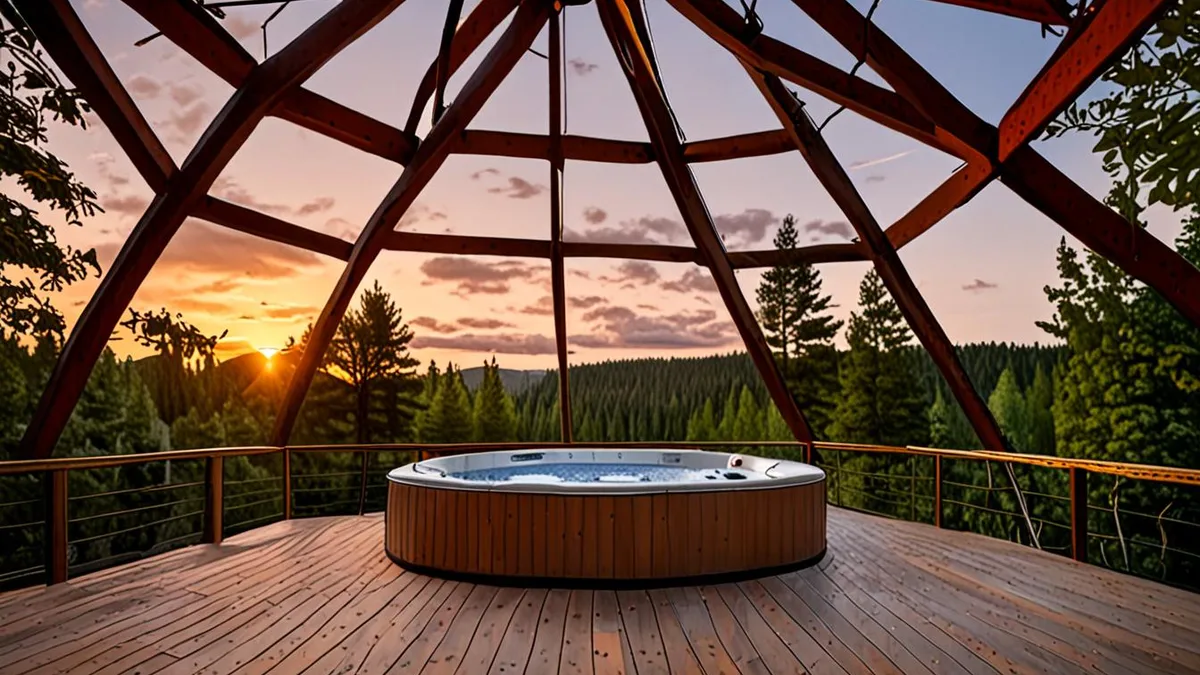
Then look at what’s reserved exclusively for your unit. A private deck or hot tub used only by you feels very different from a shared fire pit beside the communal kitchen, especially when you’re hoping for a quiet evening for two. The details worth confirming:
- Dedicated outdoor space: Ask whether the deck, outdoor shower or fire pit is exclusive to your unit or shared with other guests, and how far it sits from the main lodge and parking area.
- Adults-only policies: Some sites restrict bookings to adults or couples, which keeps things quiet even during school holidays when family-focused sites fill up and noise carries.
- Screens and sightlines: Hedges, fences or spacing between windows matter more than square footage. Ask what you’ll actually see from the deck and the bed.
- Light and orientation: If stargazing from bed is a priority, ask about light pollution from nearby buildings and which way the skylight or window faces at night.
For a fuller walkthrough of evaluating sites before you commit, this guide to choosing the right glamping site covers the questions most couples forget to ask.
Timing Your Honeymoon Glamping Trip
Timing makes a bigger difference to a glamping honeymoon than to almost any other type of trip. You are booking a small, standalone structure in a natural setting, so the season shapes everything from your comfort to how private your deck actually feels.
Aim for the shoulder seasons: May–June and September–October in most temperate regions. You get mild weather, thinner crowds and often lower rates than peak summer. Fewer guests on site also means quieter evenings and a better chance that staff can give you personal attention.
If you have your heart set on peak-season dates, book 6–12 months ahead. The most romantic units — the ones with the best views, private hot tubs or skylights above the bed — are limited in number and get claimed early by returning guests and planners. Booking early also gives you time to coordinate with other honeymoon plans without settling for a leftover unit.
When to think twice
Be cautious about the coldest and wettest months unless the site explicitly advertises four-season insulation. A romantic dome in snow photos can turn miserable if the heating struggles and the bathroom is a walk away. For a deeper look at how timing shifts by destination type, see this guide to the best seasons for glamping by destination.
Setting a Realistic Honeymoon Glamping Budget
Glamping honeymoons come in a wide price band, so it helps to know where the floor and ceiling sit before you fall in love with a listing. Entry-level couple-focused stays sit well below resort pricing, while premium luxury domes can exceed $800 a night. That is often still less than a five-star resort, but the add-ons can quietly change the math, so treat the nightly rate as a starting point rather than the final figure.
What to add on top of the nightly rate
Many sites charge separately for the features that make a honeymoon feel special. A private hot tub, in-tent dining or a romance package with champagne and flowers may all be extras. Price these out before booking so you can compare stays on their true total cost, not just the headline rate.
Also compare what is included. Remote sites frequently bundle meals, guided activities or airport transfers into the rate, and those inclusions can offset a higher nightly price. A mid-priced dome with all meals and a sunset kayak trip may beat a cheaper unit where every meal is a paid extra and the nearest restaurant is a drive away.
One practical tip: ask what happens in bad weather. Complimentary upgrades, flexible cancellation and included indoor activities all have real value on a trip where you plan to spend most of your time at the property itself. It is also worth confirming which amenities are standard at your price point, since en-suite bathrooms and proper heating or cooling are the two things most often missing at lower-priced sites.
Location and Practicalities Before You Commit
Glamping sites trade convenience for seclusion, and that trade-off matters when you are planning a honeymoon. Many remote properties sit a 20–30 minute drive or more from the nearest restaurants and attractions, so spontaneous dinners out or day trips need actual planning rather than an impulse decision at dusk. Stock up on supplies before you arrive — groceries, wine, breakfast basics — and treat the site as a destination in itself rather than a base for exploring. If the unit has limited cooking facilities, plan which meals you will eat out and which you will handle yourself, and build that drive time into your daily schedule instead of treating it as an afterthought.
Before you commit, work through the practical details with the host. A short list of questions can save you a frustrating arrival:
- Road access: ask whether the final stretch is paved, gravel or a rough track, and whether a standard rental car can handle it in the season you are visiting.
- Luggage transfer: some walk-in sites park cars separately and move bags by cart or on foot, so confirm how far you will carry suitcases and whether help is offered.
- Mobile signal and wifi: coverage can be patchy or deliberately absent; if you need to check in with family or handle work, ask about signal strength and any wifi limits.
- Self-catering facilities: find out whether the unit has a kitchenette, grill or campfire cooking setup, since the nearest restaurant may be too far for every meal.
Finally, confirm check-in flexibility if you are arriving on a late flight. Small sites often have limited or unstaffed reception hours, so ask about self-check-in options, late-arrival instructions and what happens if your flight is delayed — a missed handover can mean waiting outside an unlocked gate with your luggage. Getting these answers in writing before you book keeps the first night of your honeymoon relaxed instead of stressful, and gives you a written record to refer back to if anything is unclear on arrival.
Wrapping Up Your Honeymoon Glamping Plans
So which features actually matter when photos all look equally dreamy? Start with the stay type: yurts and domes generally suit couples best, while large safari tents often host families or groups. Then check privacy features like standalone units and private decks, and pick your season before you even look at price. A photogenic tent in the wrong setup won’t feel romantic in person.
Shoulder-season dates in May–June or September–October bring milder weather and fewer guests, and booking 6–12 months ahead for peak dates gives you the best choice of units. A $200–600 nightly budget covers most couple-focused options, with en-suite bathrooms and heating or cooling worth confirming early. Finally, run through the location logistics — road access, distance to restaurants and check-in flexibility — before you commit. If this helped you plan your honeymoon, share the article or leave a comment with your own glamping tips.