Scroll through lodge listings for any safari or wilderness destination and you’ll see nightly rates that range from under $50 to well over $1,000, often with little explanation of what the difference actually buys. Lodge amenities are rarely spelled out clearly, so travelers end up guessing whether that pricier option includes meals, game drives, transfers or just a nicer room.
This guide breaks down what you can typically expect at each level, from budget rooms with fans and shared bathrooms to luxury lodges where meals, drinks and guided activities are all bundled into the rate. We’ll look at why prices vary so much, what each tier usually includes, how safari lodges differ from non-safari ones, and how to match the amenities to your trip length and budget so you can compare the true cost rather than the headline rate.
Why Lodge Amenities Vary So Much by Price Level
The single biggest mistake travelers make when comparing lodges is assuming the price difference comes down to the room. In reality, amenity tiers track three things: staffing levels, location, and which services are bundled into the rate. A lodge with a $400 nightly rate isn’t just offering a bigger bed — it’s usually paying for more staff per guest, a harder-to-reach location, and meals or activities that a cheaper lodge would bill separately.
Location drives this more than anything else. Remote lodges, whether in a national park or hours from the nearest town, have no outside options for food, drinks or activities. So they bundle transport, all meals and guided experiences into one rate, because there’s simply nowhere else for guests to get them. That’s why the sticker price looks high at first glance.
Why the cheap rate isn’t always cheaper
Roadside or town-edge lodges work the opposite way. Surrounded by restaurants, tour operators and taxi stands, they unbundle everything: you pay for the room, then buy meals, transfers and activities individually from whoever offers the best deal. The headline rate looks cheap, but your total spend depends entirely on what you add on afterward. Neither model is wrong — they just package the same trip differently, and understanding that is the key to comparing listings fairly.
Budget Lodge Amenities: What $30-80 a Night Buys
Budget lodges typically run $30-80 per night for a double room, and at that price you’re paying for the essentials rather than the extras. Expect a private or shared room, a fan or basic cooling rather than air conditioning, and either an en-suite bathroom or a shared one down the hall. If you’re choosing a gateway town near a major park, it helps to know which areas offer the best budget options — this area guide to staying near Kruger National Park breaks down the main choices.
Meals at this level are simple but usually available. Breakfast is often included in the rate, and many budget lodges run an on-site kitchen where you can order lunch or dinner for a small extra fee. Don’t expect a menu of international dishes — think a handful of home-style options served at set times.
The service model is largely self-service. There’s no porterage, housekeeping may only happen every few days or on request, and the front desk keeps office hours rather than running around the clock. Wi-Fi, where it exists, is typically limited to common areas and can be slow at peak times. No guided activities are included, so you’ll book any tours or transfers separately and pay for them on top.
- Room basics vary widely: some budget lodges offer mosquito nets, storage lockers and a writing desk, while others give you a bed and little else — check photos before booking.
- Hot water is not guaranteed: at the lower end of the range, bathrooms may have cold showers only, or hot water available at set hours.
- Payment is often cash-based: smaller budget lodges may not take cards, so confirm payment options before arrival.
- Security is usually simple: expect a lock on the door and possibly a safe at reception, but rarely in-room safes.
Mid-Range Lodge Amenities: The $100-300 Comfort Tier
Mid-range lodges usually cost $100-300 per night, often with some meals included, and this is where comfort starts appearing as standard. Rooms are en-suite with air conditioning or genuinely good ventilation, housekeeping happens daily, and most properties in this tier offer pool access. If you want a deeper look at how inclusive rates work at the higher end, this guide to what an all-inclusive lodge stay involves is a useful comparison point.
Food is a major step up from budget level. Breakfast is included as standard, and at safari and remote lodges half-board is common — meaning dinner is covered too, often served family-style or as a set menu. Mid-range lodges that aren’t in remote locations frequently offer breakfast only, with lunch and dinner available nearby or on-site for extra.
Activities are where this tier gets interesting. One or two guided activities may be included in the rate, such as a single game drive or a guided walk, but extras like laundry, drinks and additional tours are billed separately. That’s the main structural difference from luxury properties, where most of these items are bundled in.
- Connectivity improves noticeably: reliable Wi-Fi typically reaches the rooms, or at minimum covers the main lodge area and restaurant.
- Room extras appear: look for in-room safes, tea and coffee stations, and proper insect screening on windows and doors.
- Bar and lounge spaces: most mid-range lodges have a dedicated dining area and a bar or lounge, unlike the multi-purpose spaces common at budget level.
- Housekeeping goes beyond sheets: daily service usually includes towel changes and room tidying, not just a fresh set of linens.
Luxury Lodge Amenities: What $400+ per Night Typically Includes
At the top end of the market, the nightly rate is less about the room and more about everything that comes with it. All-inclusive luxury lodges typically bundle three meals a day, most drinks, and two scheduled activities daily, such as morning and evening game drives. That means once you arrive, you rarely need to open your wallet again.
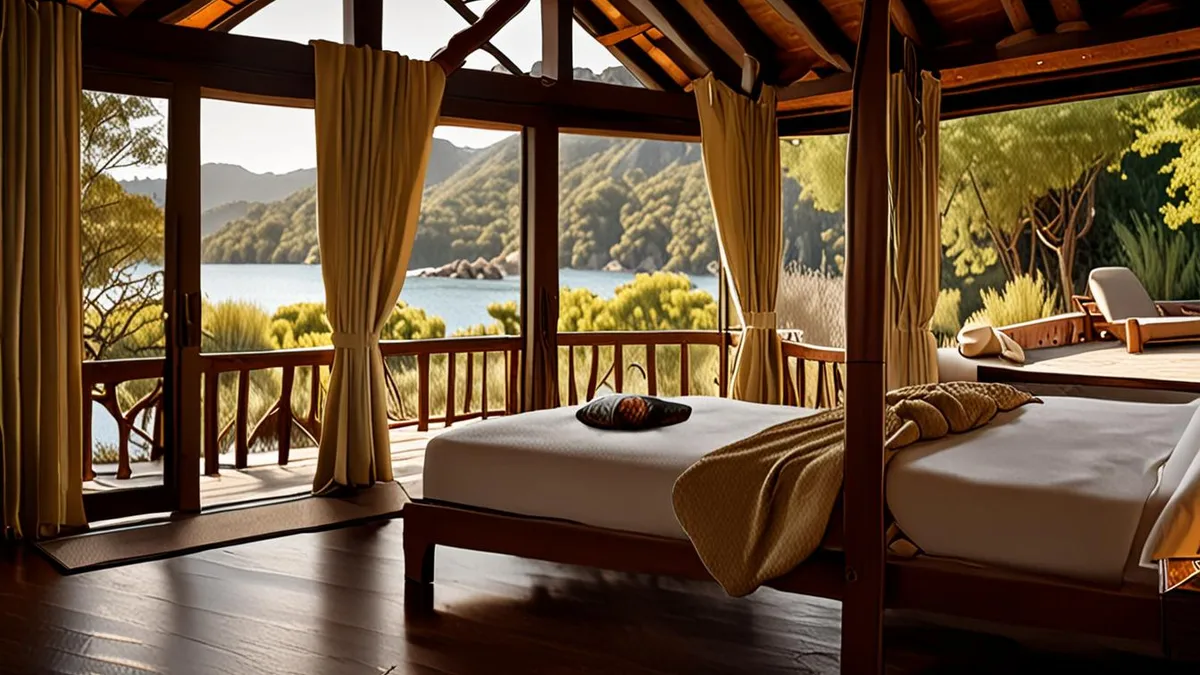
The physical amenities scale up accordingly. Expect private decks with views over water holes or valleys, plunge pools for cooling off between drives, and outdoor showers built into the design of the room. A dedicated butler or host is usually on hand to handle requests, from dietary needs to last-minute itinerary changes.
Why the service feels so personal
Luxury lodges typically staff at a ratio of roughly 2-3 staff per guest, which is several times higher than most hotels. That ratio is what makes personalized itineraries possible: a private vehicle for a photography-focused drive, a bush breakfast set up at a scenic spot, or a flexible departure time for your flight out.
Logistics are usually part of the package too. Transfers from the nearest airstrip, park entry coordination, and specialist guides are typically bundled into the rate rather than billed separately. Before booking, confirm exactly which drinks are included, as premium wines and cellar selections are often the exception.
Amenities That Change Most Between Safari and Non-Safari Lodges
The biggest amenity differences between lodges come down to one question: is wildlife viewing the core product? At safari lodges, guided game drives are the centerpiece, commonly running twice daily, early morning and late afternoon, about 3 hours each. Those drives are usually included in the rate, along with meals timed around them, and the whole daily schedule is built to maximize time in the park when animals are most active.
What non-safari lodges offer instead
Lodges outside wildlife areas swap drives for a different set of amenities. Pools and spas take on a bigger role, and many properties highlight direct access to hiking trails, lakes, or coastlines with water sports. Meals may still be included at remote properties, but the activity program is more flexible and often self-directed.
Price comparisons get tricky because safari lodges in peak season (June-October in East Africa) price 30-50% higher than green season. When you are paying that premium, the value of included drives and meals matters more, so weigh them carefully. One detail to check every time: whether park fees are inside or on top of the quoted rate. This varies by lodge, and the difference can add a meaningful amount per person per day, so ask before you book.
How to Match Lodge Amenities to Your Trip and Budget
The right lodge level depends heavily on how long you are staying. Short trips of 1-2 nights justify paying for included meals and activities, since you have no time to shop around or cook for yourself. On longer stays, the math flips: self-catering or unbundled rates let you eat out, skip activities you don’t want, and stretch your budget across more nights.
Always compare the true cost, not the headline rate. A $250 all-inclusive lodge can beat a $120 lodge once you add up three meals, drinks, and one guided activity elsewhere. Run the numbers for your actual itinerary before assuming the cheaper option is cheaper.
Timing also matters. For high-season luxury lodges, book 6-12 months ahead; if you need help picking the window, this guide on when to book lodges for better prices breaks down the timing by season. For mid-range lodges in shoulder season, 2-3 months ahead is often enough.
Finally, read the inclusions list line by line. The usual surprises hide in these items:
- Drinks: some rates include only water, tea, and coffee, with soft drinks and alcohol billed separately at marked-up lodge prices.
- Laundry: often charged per item, and costs add up fast on trips longer than a week.
- Park fees: sometimes excluded from the rate, and fees change regularly, so confirm the current amount with the lodge.
- Transfers: the shuttle or boat from the nearest town or airstrip may cost extra per person, especially at remote properties.
Wrapping Up: Choosing the Right Lodge Level
Lodge listings rarely explain what a higher nightly rate actually buys, which is why comparing them feels confusing. Once you know the pattern, it becomes much clearer: budget lodges cover the basics, mid-range adds comfort and some meals, and luxury bundles meals, drinks, activities and transfers into one rate. The jump in price is usually about staffing and included services, not just a nicer room.
The most useful shift you can make is comparing total trip cost instead of the headline nightly rate. A lodge that looks expensive may be cheaper overall once meals and activities are factored in, especially for short stays. Match the inclusions to your stay length and destination, and you can get genuine value at every tier, from a simple roadside room to a fully inclusive safari lodge. If this helped you sort out lodge levels, leave a comment or share the article with a fellow traveler.