Booking an all-inclusive lodge stay sounds simple: pay once, relax, and let meals and activities take care of themselves. In practice, many travelers find it hard to tell what the rate actually covers and what will appear on the final bill at checkout. Excursions, tips, transfers and premium drinks are the usual culprits, and they can add up quickly if you haven’t planned for them.
This guide walks you through what an all-inclusive lodge stay typically includes, what often costs extra, and how the daily rhythm works once you arrive. You’ll also find advice on when to book, how to compare packages line by line, and how to wrap up your plans with confidence. By the end, you’ll know exactly which questions to ask before you pay your deposit.
What an All-Inclusive Lodge Stay Actually Covers
Most all-inclusive lodge packages are built around three pillars: meals, drinks and a set of included activities. The core package at most lodges covers three daily meals plus most non-motorized activities, which is why the rate typically runs higher than a room-only booking at the same property. The exact mix varies by lodge, so it pays to read the inclusions list before you commit.
Meals are the easiest part to understand. Breakfast, lunch and dinner are nearly always part of the rate, and many lodges serve them family-style or at fixed dinner sittings rather than à la carte. Drinks follow a similar pattern: water, tea, coffee and soft drinks are almost universally included, while alcohol is included at some lodges but excluded at many others, so check the policy if a glass of wine with dinner matters to you.
- Guided nature walks: led by lodge staff or local guides, usually offered daily and often the best way to learn about the area’s plants, birds and smaller wildlife.
- Canoeing and kayaking: non-motorized water options are frequently included, especially at lakeside or riverside lodges, with basic instruction and life vests provided.
- Evening fireside programs: storytelling, stargazing sessions or informal talks around the fire are common and cost nothing beyond your rate.
- Commonly excluded extras: spa treatments, premium wines and spirits, motorized watersports and off-site transfers usually appear as separate charges on your bill.
If an activity requires a motor, a specialist guide from outside the lodge, or a trip beyond the property, assume it may cost extra and ask before booking.
What an All-Inclusive Lodge Stay Costs Beyond the Rate
The advertised rate is rarely the full story. At many lodges, guided excursions such as game drives, boat trips or village visits are billed separately, often adding roughly $30-100 per person per activity. If you plan to join one every day, those extras can rival a meaningful share of your room rate, so count them into your budget before you book.
Tipping is the other big line item people forget. Staff gratuities are usually not included in the package, and guests commonly budget 10-15% of the stay value for the guides, housekeepers and kitchen team who look after them. Some lodges run a communal tip box; others let you tip individuals directly. Either way, bring small bills in the local or recommended currency.
The two most common surprise charges
Airport transfers and bar tabs for premium drinks top the list of charges travelers don’t see coming. A transfer that wasn’t mentioned in the booking confirmation, or a few cocktails made with shelf-brand spirits, can turn a tidy budget into a jarring final bill. Ask at reservation time whether transfers are included, and note which drink brands fall under your package.
The simplest safeguard is to request a sample final bill at check-in. Many lodges keep a running tab for extras, and seeing a mock-up on day one lets you track your spending and settle anything unclear long before checkout morning.
When to Book Your All-Inclusive Lodge Stay
Timing matters more at remote lodges than at resort hotels. Most lodges ask guests to book 3-6 months ahead for high-season dates, and the reason is simple: many properties have only a handful of rooms or tented suites. A beach resort with 300 rooms can absorb last-minute demand; a twelve-cabin safari lodge cannot, and its limited inventory sells out first.
High season and the dry window
High season at most lodge destinations falls in the dry months, roughly June to October, when wildlife viewing tends to be at its best and skies stay clear. If those months are when you want to travel, treat the 3-6 month window as your booking target rather than a suggestion. Waiting until a few weeks out often means settling for whatever dates or room categories remain.
That said, high season isn’t the only good option. Shoulder-season stays, in the weeks just before or after the peak, can cost noticeably less while still offering good wildlife and weather. You may trade a little certainty about rain or animal sightings for a lower rate and quieter common areas, which many travelers find a fair exchange.
Whichever window you choose, confirm the cancellation terms when you book. Remote lodges sometimes have stricter policies than city hotels, and knowing them early protects your deposit.
Mealtimes and Dining Rhythm at a Lodge
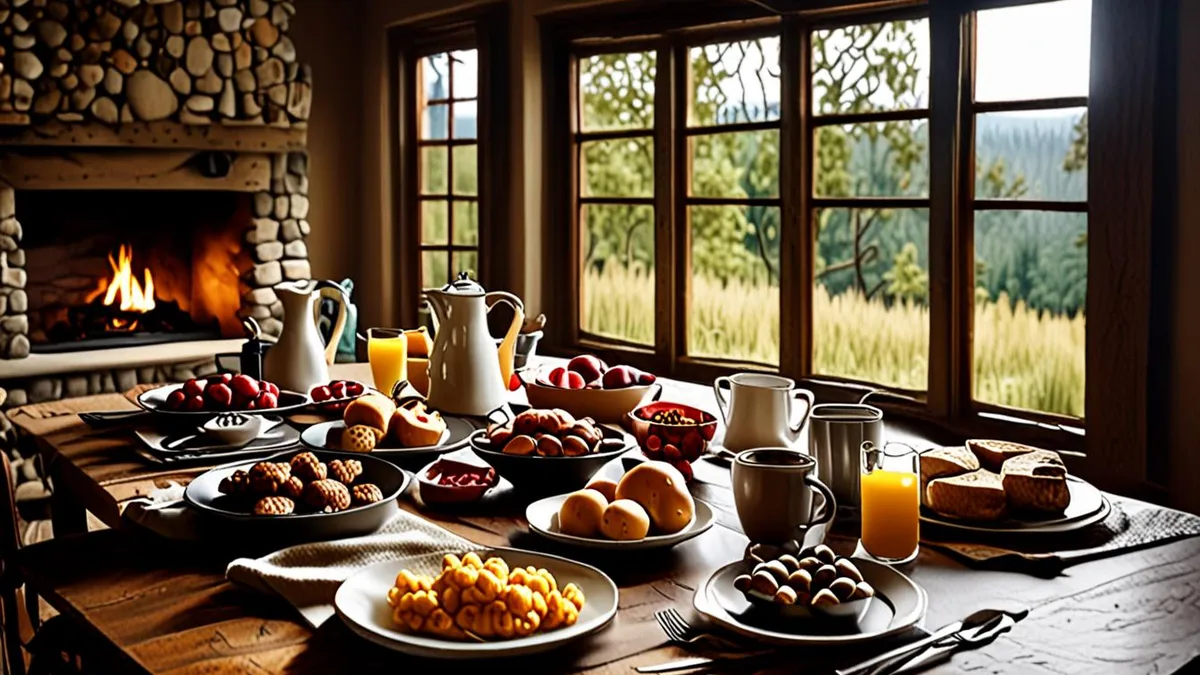
One of the biggest adjustments for first-time lodge guests is the dining rhythm. Unlike a resort hotel with an around-the-clock buffet, most lodges operate on fixed dining windows. Breakfast is commonly served between around 7 and 9 am, lunch follows a mid-morning activity, and dinner is typically timed shortly after sunset, once the day’s excursions wrap up. If you arrive hungry at 4 pm expecting a snack bar, you may find the kitchen closed, so it helps to sync your expectations to the lodge’s posted schedule on day one.
Remote lodges usually serve set menus rather than à la carte options. That means everyone eats the same two or three courses on a given night, often built around whatever is fresh and practical to source far from a city. The trade-off is that kitchens can usually accommodate dietary needs, but only if you flag them in advance. Vegetarian, gluten-free and allergy-friendly meals are standard at well-run lodges; springing it on the chef at dinner is far less reliable.
Early starts, adjusted mealtimes
Many lodge activities begin before sunrise, especially when wildlife is most active. In those cases, packed breakfasts are the norm, handed out with hot coffee before you head out, or the kitchen will lay on an earlier dinner to match the schedule. Ask at check-in how your first morning will work so you’re not choosing between an empty stomach and a missed departure.
A Typical Day During Your All-Inclusive Lodge Stay
A lodge day follows a rhythm shaped by the sun and the animals, not by a hotel activity board. The pattern repeats almost everywhere, from safari country to lakeside retreats, and knowing it in advance helps you plan sleep, sunscreen and camera batteries accordingly.
Your day usually starts before dawn with the first guided activity. This is when wildlife is most active and the light is at its best, so guides rarely schedule anything later for the morning block. After a few hours out, you return for a late breakfast and then face the hottest part of the day, which the lodge expects you to spend doing very little.
The midday break is long by design, often several hours. Rest in your room, swim at the pool, read in the lounge or simply doze on a shaded deck while the heat peaks. When temperatures drop in the late afternoon, a second guided activity takes you back out, followed by dinner and evening programming such as fireside talks or stargazing.
- The wake-up call is usually optional. If you slept badly, you can generally arrange for a later breakfast instead of joining the dawn outing, though you’ll want to confirm the cutoff time the night before.
- Midday often includes behind-the-scenes options. Some lodges offer kitchen tours, staff-led craft sessions or short self-guided trails near camp for guests who don’t want to nap through the entire break.
- Evening programs vary by lodge type. A safari property might host a naturalist talk about the day’s sightings, while a waterside lodge may run a cultural performance or a simple marshmallow roast.
- Skipping an activity carries no penalty. The schedule is a suggestion, not a contract, and guides would rather you rest than join a drive you’re too tired to enjoy.
How to Choose the Right Lodge Package
The word “all-inclusive” hides a lot of variation from one lodge to the next, so the smartest booking move is a line-by-line comparison. Start by listing exactly what each package covers: how many meals, which drinks, which activities, and whether guided excursions are bundled in or billed separately. A rate that looks cheaper on paper can cost more overall once you add paid excursions on top, especially if you plan to join every outing offered. If your group signs up for several game drives or boat trips during the week, those extras can quickly close the price gap with a more expensive, fully loaded package, so run that math before you commit.
Drinks, activities and fine print
If a cold beer or a glass of wine at dinner matters to your budget, check the drinks policy before you book. Some lodges pour alcohol freely as part of the rate, while many others keep the bar on a separate bill, and tabs for premium labels are one of the most common surprise charges at checkout. The same logic applies to activities: a diving-focused lodge and a safari lodge may both call themselves all-inclusive, yet the experiences they bundle are completely different. Match the activity calendar to what you actually want to do, not just to the prettiest photos.
Finally, read recent guest reviews with a specific filter in mind: search for mentions of hidden charges and food quality. Reviews written in the last few months will tell you whether the kitchen handles dietary requests well and whether guests felt nickel-and-dimed at checkout. If you’re weighing a coastal property, it can help to see how a stay fits around other plans, as in this account of a lodge stay in Palawan before island hopping, which shows how one traveler judged what the rate actually covered.
Wrapping Up Your Lodge Stay Plans
An all-inclusive lodge stay bundles your meals and most on-site activities into one rate, which takes much of the guesswork out of budgeting. The main extras that tend to appear on your final bill are guided excursions, tips for the staff, and airport transfers. Knowing that upfront is half the battle.
For high-season dates, booking 3-6 months ahead gives you the best shot at securing a room at the lodge you actually want. And when you’re comparing lodges, go through each package’s inclusions line by line. A cheaper rate with paid excursions can quietly cost more than a pricier all-in option. That simple comparison is the surest way to avoid surprise charges at checkout. If this helped you plan your trip, feel free to leave a comment or share the article.