A storm rolls in on the second night of your luxury tent stay, and you wonder if you’ll spend it soaked, shivering, or sweating through your sheets. That fear keeps a lot of travelers from booking glamping in the first place. The good news is that well-run glamping sites handle weather as a core part of their design and daily operations, not as an afterthought.
In this article, we’ll look at how the structures themselves are built to shed rain, resist wind, and buffer heat. We’ll also cover what staff do behind the scenes on rainy days, when wind gets serious enough that sites close tents, and how summer heat is managed in canvas and domes. Finally, we’ll help you match structure and season to your destination, and explain the cancellation and rebooking terms to check before you pay, so a change in the forecast doesn’t cost you your trip or your money.
How Glamping Sites Handle Weather by Design
The first line of defense against bad weather is the tent itself. Quality safari tents and yurts use waterproof canvas rated around 500-1000mm hydrostatic head or higher, which means the fabric sheds rain rather than absorbing it. Reinforced seams matter just as much as the canvas, since a stitched seam is the most common weak point where water starts to seep through during a long downpour.
Built to stand up to wind
A glamping tent is not simply staked into grass the way a weekend camping tent is. Most structures sit on raised platform decks and rely on anchoring systems and guy lines to spread the load across the frame. Properly anchored, most glamping structures are rated for sustained winds of roughly 40-60 mph, which covers the kind of strong gusts that would flatten ordinary camping gear.
Staying cool by design
Heat is handled differently depending on the structure. Domes and yurts generally insulate better against heat than canvas safari tents, because they can include insulated panels, ventilation vents, and reflective covers that keep the sun from turning the interior into an oven. Thin single-layer canvas, by contrast, heats up quickly under direct sun. If summer comfort is a priority, the structure type matters more than any add-on gadget.
Rainy-Day Operations at Glamping Sites
Good glamping sites don’t just hand you a tent and hope for the best when the forecast turns gray. The best operations plan for wet weather in two ways: through the physical layout of the property and through the maintenance routines staff run between guest stays.
Dry space beyond your tent
Sitting inside a canvas tent all day gets old fast, so well-designed sites give you covered decks attached to individual units, plus communal lodges or indoor lounges where you can read, play games, or share meals out of the rain. Before booking, check the property photos or ask whether there’s a shared indoor space. On a two-day washout, that room can make the difference between a cozy retreat and cabin fever.
What staff do between stays
Sites in rainy regions typically schedule tent checks and drainage walks between guest stays. Staff look for pooling water around platforms, clear drainage channels, re-tension canvas that has sagged in the damp, and spot any small leaks before the next guests arrive. This regular maintenance is why a tent that has survived years of wet seasons still stays dry inside.
Inside the tent, wood stoves or heaters do more than add warmth. They keep the canvas interior dry and prevent that clammy, damp-bedding feeling that settles in during long wet spells. A warm stove overnight means you wake up to dry sheets and a dry tent, even after days of rain.
Wind Protocols and When Sites Close
Wind is the one weather condition that glamping operators take most seriously, because it’s the one that can make a structure genuinely unsafe. Reputable operators monitor forecasts daily and know exactly which of their units can handle which conditions. When sustained winds or gusts approach the limits of a lighter structure, they won’t gamble with your safety; they’ll take that tent offline and move you or compensate you accordingly.
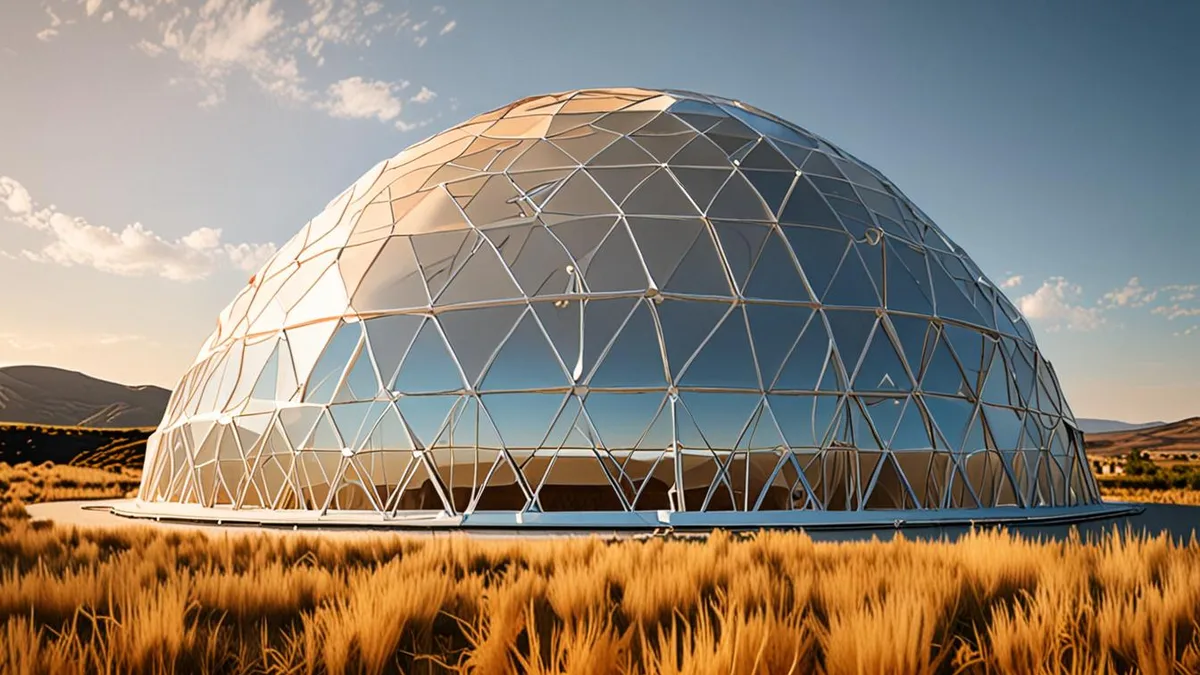
Not all accommodations on a glamping property are equally vulnerable. Sturdier options like cabins and hard-sided domes typically stay open when canvas tents are taken offline, which is one reason mixed-property sites can often rebook affected guests on-site rather than canceling their stay entirely. If wind resilience matters to you, it’s worth reading up on how to pick a glamping site that fits your trip before you commit.
The key questions to ask come down to thresholds and outcomes:
- What wind speed triggers a closure? Most glamping structures can withstand sustained winds of roughly 40-60 mph when properly anchored, but operators set their own closure thresholds, often with a safety margin below that limit.
- How much notice will you get? Some sites decide the morning of, others close tents a day or two ahead when a storm system is clearly on track.
- Are you moved or refunded? Ask whether a wind closure means a free reassignment to a cabin or dome, a rebooking for another date, or a refund if nothing suitable is available.
- Does your specific unit have a backup? If you booked a safari tent, confirm whether the property has any hard-sided alternatives before you need them.
Getting clear answers at booking, while you still have leverage, is far easier than negotiating in the lobby as a storm approaches.
Heat Management in Summer
When summer temperatures climb, good glamping operators rely on shade long before they reach for machines. Shade sails stretched over decks, mature tree cover around a tent cluster, and simply orienting structures away from afternoon sun all make a noticeable difference. A tent that catches the prevailing breeze through its windows can stay several degrees cooler than one facing a sun-baked clearing.
The most common cooling provisions you’ll find inside a unit are simple: a standing fan or two, portable AC units in pricier setups, and mesh window panels that let air move through while keeping insects out. Mesh panels are underrated — a tent with generous screened openings breathes far better than one with a single small window, so it’s worth asking how many the unit has.
Why insulated structures handle heat better
Not all glamping structures cope with heat equally. Basic canvas absorbs and transfers the sun’s energy quickly, so by mid-afternoon the interior can feel like an oven. Domes and yurts hold up to heat noticeably better than canvas safari tents, thanks to insulated panels, venting at the top of the structure, and sometimes reflective outer covers. If your trip falls during a stretch of 90°F-plus weather, that difference in construction matters more than any fan. If you’re weighing structure types for a hot-weather trip, this breakdown of yurts, domes, and safari tents compared side by side is a useful starting point.
Choosing Structures and Seasons for Your Climate
Weather comfort at a glamping site starts with picking the right structure for the right place, then layering in smart timing. These two decisions matter more than any packing list or gadget, because they determine what kind of conditions your accommodation was built to handle in the first place. Get them right and most weather problems never reach you. Get them wrong and even the best-run site can only do so much. Here’s a simple way to work through both decisions before you commit to a booking:
- Match the structure to the destination. Domes handle mountain wind well because their curved, low-profile shape sheds gusts, while safari tents shine in dry, warm regions where canvas breathes comfortably and rain is rarely an issue. Booking a canvas tent in a windy mountain pass or a dome in a humid lowland means fighting the structure’s natural weaknesses for your entire stay. Ask operators directly what each unit type is designed for.
- Aim for the shoulder seasons. The windows of May-June and September-October typically bring milder weather with fewer booking conflicts, so you get comfortable conditions without peak crowds competing for the same dates. In many destinations these months also dodge the most extreme heat or storm activity, which makes them a sweet spot for canvas structures especially.
- Book 2-3 months ahead. Early booking improves your choice of weather-hardy structures like domes and cabins, which are often the first to be reserved by savvy travelers. Waiting until the last minute usually leaves you with whatever canvas remains, regardless of whether it suits the local conditions.
- Budget for the peak-season premium. Peak-season rates typically run 20-50% higher than off-season rates, so decide whether the best weather is worth the markup or whether a shoulder-season trip gives you a better balance of comfort and cost. Many travelers find the trade-off favors the shoulders.
If you want a destination-by-destination view of timing, this guide to the best seasons for glamping by destination type breaks down when each region performs at its best. Pair that with the structure advice above and you’ll have both halves of the equation covered before you pay a deposit.
Weather Policies, Refunds and Travel Insurance
Weather policies are where glamping trips are quietly won or lost, because a beautiful site with rigid terms can turn a forecast into a financial problem. Before you pay, look for two things: how much notice the site needs for weather-related changes, and how it defines “weather.” Many sites require 48-72 hours notice for weather-related rebooking or refunds, so a storm rolling in the night before arrival may fall outside your window entirely. Confirm that deadline in writing at booking, not after the forecast turns ugly.
Pay special attention to “rain or shine” language. These clauses mean the stay proceeds regardless of ordinary weather, and refunds are excluded for anything short of a genuine safety closure or access failure. A soggy weekend under that policy is your cost, not the operator’s.
For remote or exposed sites, travel insurance deserves a close look. A few points to check:
- Coverage for road closures and access failures. Some remote sites sit on mountain roads or unpaved tracks that can become impassable, and a policy that covers “inability to reach the property” can matter more than one covering the weather itself.
- Timing of purchase. Many insurers require you to buy coverage within a short window after your initial booking deposit, so decide early rather than the week before departure.
- What counts as a covered event. Named-storm coverage, government evacuation orders and operator-initiated closures are treated differently by different policies, so read the definitions rather than assuming any bad forecast qualifies.
Ten minutes spent reading the cancellation terms and insurance fine print before you book removes far more risk than any amount of optimism about the forecast.
Wrapping Up Your Weather-Ready Glamping Plan
So, what actually happens when a storm rolls in or a heatwave settles over your luxury tent? Far more than most travelers expect. Structures, site operations and clear policies work together to keep a bad forecast from becoming a ruined trip. Waterproof canvas, anchoring systems and insulated domes handle the elements; covered lounges and scheduled tent checks handle the rest.
The biggest comfort factor is simply matching your structure and season to the local climate, then knowing wind thresholds and rebooking terms before you pay. Do those two things and most of the weather risk disappears before you even arrive. If this helped you plan a storm-proof stay, leave a comment or share this article with a fellow traveler.