Glamping has grown from a niche trend into a mainstream way to travel, and that growth has brought a wave of options that can feel confusing. Yurts, domes, and safari tents all promise a night under canvas or glass, but they behave very differently once the wind picks up, the rain arrives, or the temperature drops. Choosing between glamping stay types without knowing these differences often leads to a booking that looks great in photos but disappoints in person.
This guide breaks down each structure so you can match it to your trip. We compare how yurts handle cold and wind, why geodesic domes command a premium for their views, and when safari tents offer the best value. You will also find a clear look at comfort levels, which seasons suit which structure, how budgets stack up across the three types, and a short checklist for making your final choice.
Yurts: Round Canvas Living for Cooler Climates
Of the three glamping stay types, the yurt is the one built for cold. Traditional yurts from Central Asia have kept steppe herders warm through brutal winters for centuries, and modern versions borrow the same logic. Thick felt or layered canvas walls wrap the circular frame in insulation that fabric tents simply cannot match, so a yurt holds heat long after the sun goes down. If your trip falls in the shoulder season or you are heading somewhere with chilly nights, this is the structure that will keep you comfortable.
The circular layout is more than a design quirk. Most yurts center on a wood stove or central hearth, which does double duty: it pushes heat evenly toward the walls and gives the whole space a warm, flickering glow after dark. There is something about a round room with a fire at its heart that square hotel rooms never manage. Many travelers book yurts for that atmosphere alone.
Where yurts work best
Yurts suit steppe, mountain, and highland destinations where wind and chill are part of the experience. The rounded shape sheds gusts better than flat tent walls, and the insulated shell keeps the interior steady even when the weather outside turns. Think mountain meadows, high plateaus, and open grassland — places where a standard tent would feel exposed.
Before you book, set expectations on space and plumbing. Most yurts sleep 2–4 guests, which makes them a good fit for couples or small families. Bathrooms are often handled through a shared bathhouse rather than en-suite plumbing, so check the listing if a private bathroom is non-negotiable for you. The trade-off is warmth and character that few other structures can offer.
Geodesic Domes: Panoramic Views and Modern Comfort
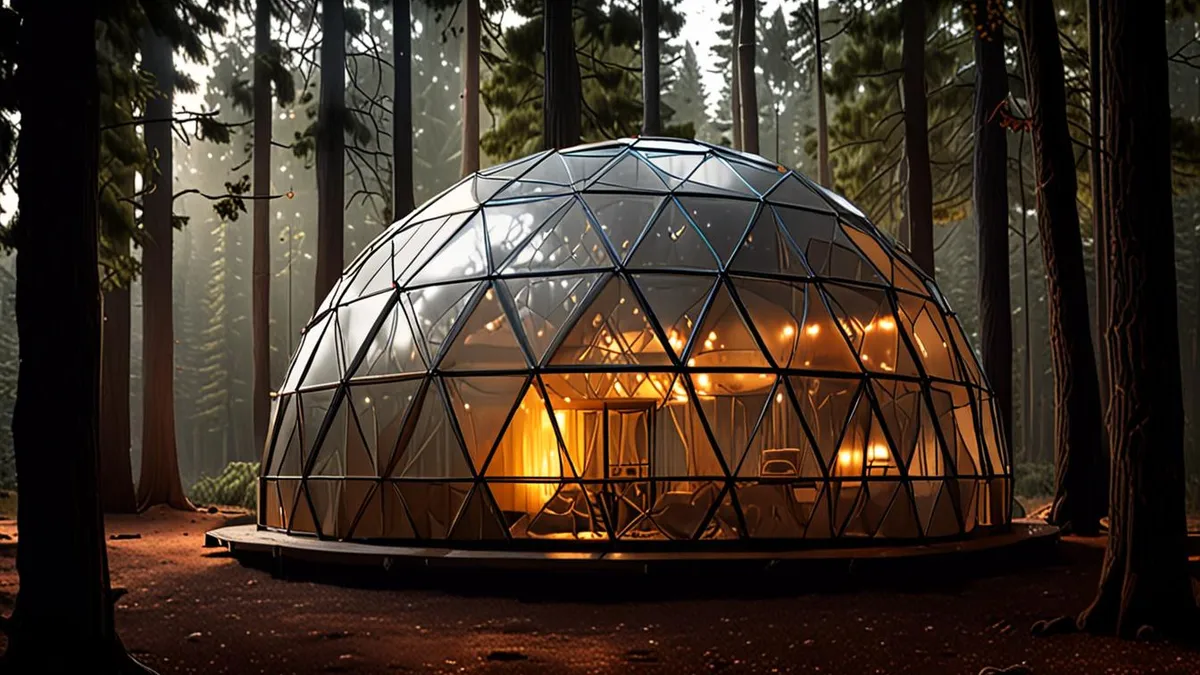
If a yurt is the warmest of the glamping stay types, the geodesic dome is the most cinematic. Clear or tinted panels replace fabric walls, so you can watch the landscape or the night sky from your bed. Stargazing through a dome panel is an experience canvas structures cannot match — no unzipping, no cold air rushing in, just the sky moving overhead while you stay warm. Tinted options cut morning glare and add a bit of privacy, which many travelers prefer for sunrise views.
That engineering comes at a price. Domes typically run 20–40% above safari tent rates at the same site, a premium driven by rigid materials, insulation, and the structure itself. Whether that premium is worth it depends on how much you value the view and the extra comfort, which for many guests is considerable.
Booking and what to expect inside
Inventory is the catch. Most glamping sites hold only a handful of domes, so peak-season availability disappears fast. Book 3–6 months ahead if you want a specific date, especially for popular regions and holiday weekends. Last-minute dome deals do exist, but relying on them during high season is a gamble.
Inside, domes lean modern rather than rustic. You will usually find rigid flooring underfoot, an en-suite bathroom, and noticeably better soundproofing than fabric walls — handy when wind rattles through a valley overnight. Furniture tends toward clean lines and full-size beds, closer to a small studio room than a tent. For travelers who want the outdoor setting without sacrificing hotel-style finishes, the dome is often the right call, as long as the budget allows.
Safari Tents: Airy Canvas Comfort for Warm Seasons
Safari tents are the classic of the glamping stay types, and their design shows it. Each tent sits on a raised wooden deck with mesh screens built into the walls, a setup made for airflow in hot, dry weather. Air moves through the mesh, the canvas breathes, and the elevated deck keeps you clear of dust and damp ground. On a warm evening, this cross-breeze is exactly what you want — no stuffy room, no need for much more than a fan.
Timing matters more with safari tents than with the other two structures. They shine in dry-season windows such as May–October in East African reserves, when skies are clear and wildlife viewing is at its best. In wet months, canvas can leak and decks can turn muddy, so a safari tent booked in the wrong season loses much of its charm. Match the tent to the dry months and it delivers beautifully.
Layout and value
Step inside and the layout surprises first-time guests. Most safari tents include a veranda for lounging, an en-suite bathroom behind a canvas partition, and walls that let daylight filter through in a soft, warm glow. You get real beds, real plumbing, and a ceiling of fabric instead of drywall — closer to camping than a hotel room, but with far more comfort.
Value is the other big draw. Safari tents are generally the most affordable of the three types, with many sites ranging from $120–$250 per night. That makes them a natural starting point for travelers new to glamping, or for longer stays where a dome premium would add up. Check the season, confirm the deck and drainage, and this is often the best-value night you will spend outdoors.
Comfort Levels: What Each Glamping Stay Type Includes
Comfort is where glamping stay types differ most, and the differences show up in the details. Geodesic domes usually come the closest to a hotel room: most include an en-suite bathroom, some form of heating, and rigid flooring underfoot. If you want the experience to feel like a small cabin with a curved ceiling, a dome is the safest bet.
Yurts take a different approach. Because the circular canvas or felt walls are excellent insulators, many operators in cooler regions skip en-suite plumbing and route guests to a shared bathhouse instead. That sounds like a downgrade, but a crackling wood stove in the center of the yurt and thick layered walls often make it the warmest sleep of the three options. Just be prepared for a short walk at night.
Safari tents sit somewhere in the middle. You typically get a real bed, en-suite plumbing, and a raised wooden deck, but the canvas walls keep the atmosphere close to actual camping — you hear the wind, the birds, and sometimes the neighbors.
- Dome extras: many domes add tinted or clear panels with blackout blinds, so you can choose between stargazing and sleeping in.
- Yurt bathhouse setups: shared facilities are often a short walk away and may include communal lounge or drying space for wet gear.
- Safari tent airflow: mesh screens on windows and wall panels let you roll up canvas sides in hot weather without letting insects in.
- Ask before booking: heating, cooling, and hot water are not standard across operators — confirm exactly what is included, since fabric structures vary widely.
Weather and Season Fit for Yurts, Domes, and Safari Tents
Matching the structure to the season matters more with glamping than with a regular hotel, because fabric and panel walls react to weather in ways concrete does not. Get this right and your stay feels magical; get it wrong and you may spend a night listening to rain drum on canvas.
Yurts for cold and windy trips
Yurts are the clear pick for cold or windy destinations. Their thick felt or layered canvas walls offer the best insulation of the three types, which is why the design has survived Central Asian steppe winters for centuries. They also suit shoulder-season trips in the mountains, when nights turn chilly but you still want to be outside. If your destination is known for wind and chill, a yurt is hard to beat.
Domes for changeable weather
Geodesic domes handle unpredictable conditions well. The rigid shell sheds rain and holds warmth on cool nights far better than fabric, so choose a dome when the forecast could go either way — spring trips, mountain sites, or coastal spots where weather flips quickly.
Safari tents are the opposite: reserve them for dry, warm months only. In East African reserves, that generally means the dry season from roughly May to October. In the wet season, canvas can leak, and standing water attracts mosquitoes.
One last check before booking: rainy seasons can turn canvas floors and decks muddy. Ask the operator about drainage around the unit and how high the deck sits off the ground. A well-built site will have good answers; a poorly sited one will not.
Budgeting Across Glamping Stay Types
Glamping prices vary more by structure and region than many travelers expect, so it helps to anchor your search before comparing listings. Glamping stays generally fall somewhere between budget-friendly and boutique-hotel territory, depending on the stay type, the region, and how remote the site is. Anything far outside the typical range deserves a closer look at what is actually included before you book.
Within that range, structure drives the price. Safari tents are typically the most affordable of the three, and geodesic domes usually cost 20–40% more than a safari tent in a comparable location, thanks to materials, insulation, and en-suite fittings. Yurts often land in between, though it depends on the operator and how remote the site is.
Timing also affects your budget, especially for domes. Most sites hold only a handful of units, and domes typically book out 3–6 months ahead in peak season. When inventory runs low, peak-season rates can climb sharply — so booking early is the simplest way to lock in a lower price.
- Meals: many remote sites are full-board by necessity; a meal plan can add noticeably to the nightly rate, so check whether it is mandatory.
- Transfers: sites far from airports or train stations often charge for shuttles, and 4×4 transfers to remote locations can be a significant line item.
- Activity packages: guided walks, game drives, or kayak rentals are frequently priced as add-ons and can push the total up by a meaningful margin.
- Combined extras: taken together, meals, transfers, and activities often add 30–50% to the base rate — budget for the total, not the headline price.
Choosing Your Glamping Stay Type
The right glamping stay type comes down to three simple questions: where you’re going, when you’re going, and how much comfort you need. Yurts bring warmth and character to cooler climates, domes deliver panoramic views and modern touches at a higher price, and safari tents offer breezy value in dry seasons. Each structure was designed for a different set of conditions, so the “best” one depends entirely on your trip.
Before booking, match the structure to your season, budget, and comfort priorities. A yurt makes sense for a chilly mountain escape, a dome suits travelers who want stargazing from bed, and a safari tent is hard to beat in warm, dry weather. Get that match right, and glamping delivers the memorable stay you were hoping for. If this helped you decide, leave a comment or share the article with a friend planning a trip.