You land at 8 a.m. after a long flight, only to hear the words every tired traveler dreads: your room won’t be ready until mid-afternoon. Suddenly you’re standing in the lobby with a suitcase, no plan, and hours to kill. It’s a frustrating spot, and it’s almost always avoidable once you understand how hotel check-in and check-out times actually work.
This guide walks through everything you need to know, starting with what standard check-in and check-out times mean and why hotels set them where they do. From there, you’ll learn how to arrange an early check-in before you even leave home, how to score a late check-out without paying extra, and what to do when your room simply isn’t ready yet. We’ll also cover the special rules that apply to resorts and all-inclusive stays, how your arrival time should shape your booking strategy, and a simple wrap-up plan for both ends of your stay.
What Standard Hotel Check-In and Check-Out Times Mean
Most hotels around the world set check-in between 3:00 and 4:00 p.m. and check-out between 11:00 a.m. and noon. If you’ve ever wondered why you can’t drop straight into your room at 9 a.m., the answer comes down to logistics. The gap between one guest leaving and the next arriving is the only window housekeeping has to prepare rooms for everyone coming that day.
That turnover work is more involved than many travelers realize. Cleaning a room after a guest checks out usually takes 30-45 minutes, and that assumes the room is in normal condition. Multiply that by every room in the hotel, and you can see why a mid-afternoon check-in is the industry norm rather than an arbitrary rule.
Your luggage doesn’t have to be a burden
Here’s the good news: even if your room isn’t ready, the front desk can hold your bags before check-in, and again after you’ve checked out, usually for free. That means you can explore the area or grab lunch without dragging a suitcase behind you. Just ask at the desk and grab a claim ticket.
Before travel day, pull up your confirmation email and check the exact times listed there. They’re printed on it for a reason, and they can vary from the typical range, especially at smaller properties or in different countries.
How to Arrange Early Check-In Before You Arrive
If you know you’ll arrive before the standard check-in time, don’t leave it to chance. Email or call the hotel 2-3 days ahead and ask for an early check-in. Front desk teams handle these requests all the time, and a heads-up gives them a chance to flag your reservation for housekeeping. Timing matters too: arrival between 10:00 a.m. and noon has the best odds, since rooms freed by morning check-outs are the first to be cleaned.
If your arrival is earlier than that, ask about paid guaranteed early check-in. Many hotels will sell it to you, often priced at 25-50% of the nightly rate. Before you agree, make sure you understand exactly what the charge covers, since hotels are fond of add-ons; our guide to resort fees and extra hotel charges can help you spot the difference between a real service and a padded bill.
There’s one hard truth to know: booking the previous night is the only way to guarantee a room before 10:00 a.m. The room simply has to exist and be vacant, and paying for the prior night makes that certain. If you have an early meeting or a long layover, it may be money well spent.
A few other ways to improve your odds without spending anything:
- Use elite loyalty status. Many hotel programs include early check-in as a top-tier perk, so mention your membership number when you book and again when you request.
- Note a special occasion. Honeymoons, anniversaries and birthdays give front desk staff a reason to prioritize you, and it costs nothing to mention it politely in your request email.
- Ask about the day’s occupancy. A quiet midweek date makes an early room far more likely than a sold-out weekend, so if your dates are flexible, choose the slower one.
Getting a Late Check-Out Without Paying Extra
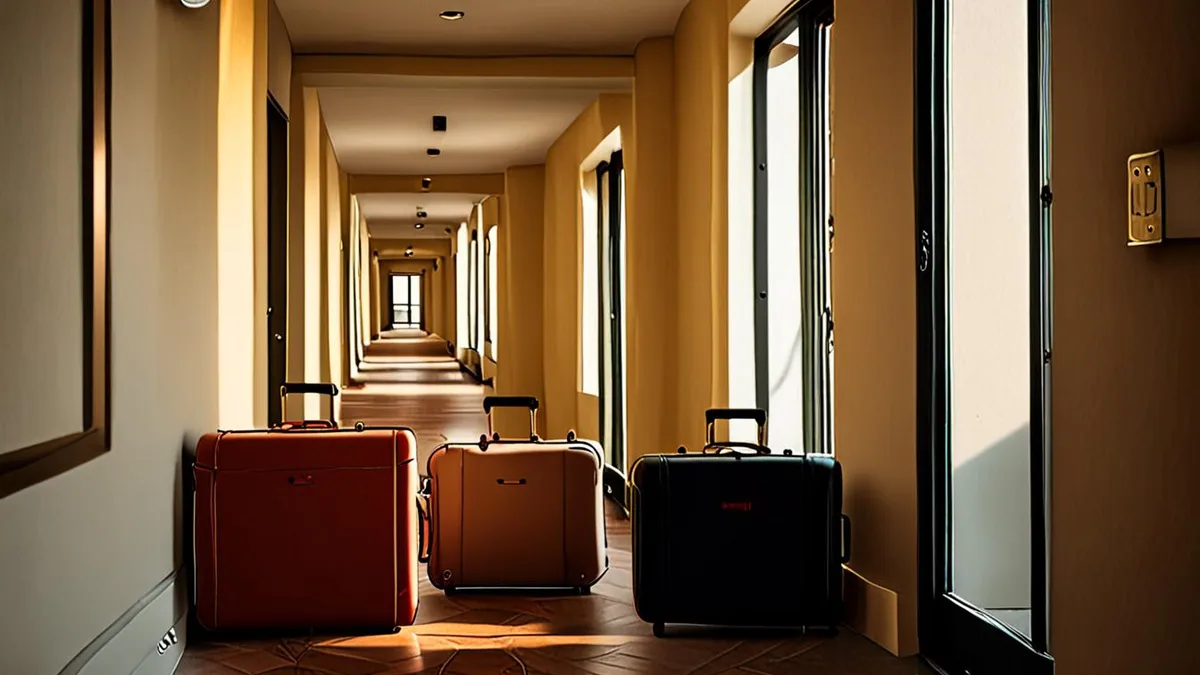
A late check-out is one of the easiest hotel perks to get, yet most travelers never ask. The key is timing your request: bring it up at check-in or the night before your departure, not on departure morning. By then, the front desk has usually already committed the room to another guest, and your options shrink to zero.
Hotels grant late check-outs based on occupancy, so your chances depend on how busy the property is. Many hotels will give you 1-2 extra hours free on slower days, especially midweek, when fewer guests are arriving that afternoon. A friendly request at the front desk is often all it takes.
When there’s a fee, know the tiers
If the free window doesn’t stretch far enough, expect fees of roughly $20-50 for extensions beyond it. That’s usually far cheaper than paying for a full extra night, and some hotels will even waive the fee for loyalty members or on request.
Past a certain point, the pricing structure changes. Staying past about 6:00 p.m. often triggers a half-day rate instead of an hourly fee, which can be significantly more. If you have a late-evening flight, do the math before you commit: sometimes booking an extra night and keeping the room until morning is the better deal, especially if you can check out at your leisure the next day.
What to Do When Your Room Isn’t Ready Yet
So you’ve landed, taken a taxi to the hotel, and the front desk tells you your room won’t be ready for another two hours. It happens more often than travelers expect, especially when flights arrive before the standard 3:00-4:00 p.m. check-in window. The good news is that a little planning turns this gap from an annoyance into a smooth transition.
Your first stop should be the bell desk, usually right beside the front desk. Hand over your bags and keep the claim ticket in your phone or wallet. From there, most hotel lobbies offer free Wi-Fi, and many properties let waiting guests use the pool, gym or business center. A quick shower at the gym after a long flight can be a small luxury.
Then talk to the front desk clerk rather than just accepting the wait. Ask which rooms have already been cleaned, because on quieter days a cleaned room may be available sooner than the official time. Some hotels will also text or call you the moment a room opens up, which lets you relax elsewhere instead of hovering in the lobby.
If the wait stretches long, have a backup plan ready. Map out a café, a park or a short walk near the hotel before you travel, so you’re not improvising with luggage-heavy kids in tow. The gap between an early arrival and check-in typically runs one to three hours, which is enough time for a proper breakfast or a stretch of your legs after a flight.
- Ask whether the hotel has a loyalty lounge or executive floor lounge, since guests with access can often wait there with coffee, snacks and more comfortable seating than the main lobby.
- Use the waiting time to handle practical errands like picking up a local SIM card, withdrawing cash from an ATM or confirming your return airport transfer, so day one stays free for sightseeing.
- If you traveled overnight, set a phone alarm for a short nap in a quiet corner of the lobby or lounge, because dozing through your name being called is a common way to lose a ready room to the next guest in line.
- Grab the front desk’s direct phone number or WhatsApp contact before you leave the lobby, so you can check on your room’s status from the café without walking back and forth.
Check-In Rules for Resorts and All-Inclusive Stays
Resorts play by slightly different rules than city hotels, and knowing those rules saves both money and frustration. Because resort stays tend to run longer, check-out times often stretch later, sometimes to noon or even 1:00 p.m. That extra hour matters when you have a mid-afternoon flight and want a final swim or a relaxed breakfast.
All-inclusive properties add another layer: your wristband or dining credits usually activate only at check-in. If your room is ready at 3:00 p.m., that means lunch on arrival day is typically on your own dime, even though you paid for a full package. Some resorts will extend your band back a few hours or activate it early if you ask nicely, but treat that as a bonus, not a promise.
Using Hospitality Suites on Arrival Day
Many larger resorts keep a hospitality suite for guests whose rooms aren’t ready. These are shared rooms where arrivals can shower, change into vacation clothes and stash a carry-on. Ask about one at the front desk before you resign yourself to sitting in travel clothes by the pool. If you’re still weighing whether an all-inclusive fits your trip at all, it helps to read up on all-inclusive versus à la carte resorts before you book.
Departure-Day Perks Worth Asking About
The same logic applies when you leave. Showers, changing rooms and luggage storage on departure day are often included at resorts, since management knows guests frequently have late flights after checking out. Policies vary widely between properties, so ask rather than assume. A five-minute conversation at check-in can secure you a shower, a fresh change of clothes and a safe place for your bags on your final day, which makes a long evening flight far more bearable.
How Check-In Times Affect Your Booking Strategy
The cheapest way to solve a check-in problem is to fix it at the booking stage, not at the front desk. If your flight lands early in the morning, doing the math before you fly pays off. On many trips, simply booking the previous night costs about the same as a paid early check-in, and it lets you walk straight into a ready room, shower and sleep instead of negotiating at the counter. If your arrival is non-negotiable and a real bed matters, this is the one approach that works every time.
Timing also affects whether your room will even be there when you arrive. Late-night arrivals typically require a credit-card guarantee; without one, the hotel is usually free to release the room to another guest. If your flight lands late and you booked a flexible rate without a card on file, call ahead or add the guarantee to avoid starting your trip with nowhere to sleep.
Matching Your Flight to Your Hotel
Red-eye arrivals pair naturally with hotels that run a 24-hour front desk. A desk that’s always staffed can check you in before dawn, hold your bags and tell you honestly whether anything is clean and available. Smaller properties with limited-hours desks may leave you waiting outside until morning staff show up, which is a rough start after a sleepless flight.
Before you lock in flights, weigh the cost of an extra hotel night against the value of arriving rested. A night’s stay that lets you sleep horizontally from mid-morning can rescue an entire first day of your itinerary, especially for trips with early tours or long drives planned. For short city breaks where day one is just wandering a neighborhood, saving the money and planning a light arrival day may be the smarter trade. There’s rarely one right answer, but making the comparison deliberately beats discovering it exhausted at a front desk at 6:00 a.m.
Wrapping Up Your Arrival and Departure Plan
So you land at 8 a.m. with hours to fill before your room is ready. The good news is that most hotels handle this situation every day, and front desks are used to early arrivals. Store your bags, ask politely whether anything is available ahead of the standard window, and plan something simple for the gap.
Most of this comes down to timing your requests. The earlier you raise the topic with the front desk, the better your odds, and luggage storage covers the in-between hours so you are not dragging suitcases around town. Match your arrival time to your booking strategy, and check-in stress mostly disappears. If this helped you plan a smoother arrival, leave a comment or share the article with a fellow traveler.