Choosing between a beach resort or mountain lodge trips up more travelers than almost any other vacation decision. Both promise a memorable escape, but they suit different seasons, budgets and travel styles, and picking the wrong one for your dates can mean paying peak prices for disappointing weather.
This guide walks you through a clear way to compare the two. We start with the season, since timing shapes both price and experience, then look at how the coast and the highlands differ in cost, access and activities. You’ll also find practical notes on weather comfort, what to pack, and how far in advance to book each type of stay. By the end, you’ll have a simple framework: match the season first, then your budget, then travel time and the kind of days you actually want to have. That order makes the decision far easier than scrolling through endless listings.
Beach Resort or Mountain Lodge: Start With the Season
Timing is the single biggest factor in this decision, because the same destination can feel like paradise in one month and a soggy disappointment in another. Before you compare prices or browse photos, check when your chosen region is actually at its best.
When the beach shines
Tropical beach resorts perform at their best from December to April. Rainfall is lowest in these months, the seas are calmer, and you get the clear-water conditions that snorkeling and island trips depend on. If your heart is set on long, dry beach days, this is the window to aim for.
When the mountains peak
Mountain lodges have two distinct high seasons. June to August is prime time for hiking, with trails at their most reliable and views at their clearest. December to February draws snow seekers, when higher elevations offer winter conditions and cozy fireside evenings.
There is also a smart middle path. Shoulder months, especially September to November, can cut mountain lodge rates by 15-30% while the landscapes stay green and the crowds thin out. You trade some weather certainty for real savings, which works well if your dates are flexible and you don’t mind packing a rain layer.
Budget Differences Between Coast and Highlands
Beach and mountain stays price their seasons very differently, and understanding those swings can save you a meaningful amount. Beach resorts often cost 20-40% more during peak dry season than in shoulder months, so the same oceanfront room can carry a very different tag depending on when you arrive. Demand is concentrated in a short window, and rates rise accordingly.
Mountain lodges tend to have smaller price swings between high and low season. Their cheapest window is typically September to November, when you can often get the same room, the same views and the same trails for noticeably less. If your schedule is flexible, shifting a mountain trip by a few weeks is one of the easiest wins in travel planning.
The nightly rate also isn’t the whole story. Each setting comes with its own extras that add up over a week:
- Beach extras: boat trips, island hopping and water sports are usually priced per activity, so an active week on the coast can add several excursions to your bill.
- Mountain extras: guided hikes often require hiring a local guide, and activities like trekking may mean renting gear you don’t own.
- Transport costs: remote mountain lodges sometimes charge for transfers, while coastal resorts near airports keep arrival costs low.
Compare total trip cost, not just room rates, and the real gap between the two options becomes much clearer.
Travel Time and Access
How long it takes to reach your room matters more than most travelers expect, especially on shorter trips. A stunning lodge loses some of its charm if you spend half your vacation getting there and back.
Getting to the coast
Coastal resorts are usually 30-90 minutes from the nearest airport, often reached by a simple shuttle or a short ferry ride. You can land at midday and be in the water by afternoon, which makes beach stays remarkably low-friction. This ease of access is one of the coast’s biggest practical advantages.
The mountain journey
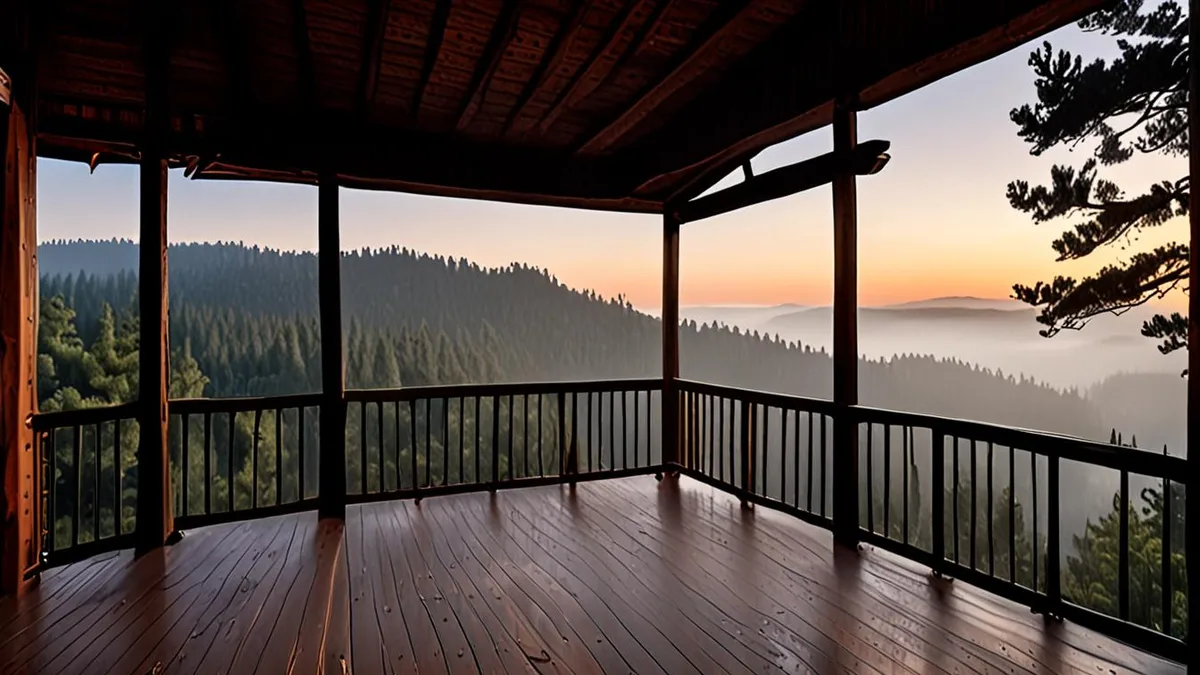
Mountain lodges are a different story. Reaching them can require 3-5 hours of winding road travel, and some properties add a final stretch that needs a 4×4 vehicle or even a hike in with your bags. The reward is remoteness and scenery you simply can’t get near an airport, but the journey is part of the price.
That’s why trip length should guide your choice. Short getaways of 3-4 days favor the beach, where transfer time barely dents your stay. A week or more makes the mountain journey worthwhile, since a long drive becomes a small share of the total trip and you have time to settle into the slower rhythm of the highlands.
Activities: Water, Trails or Both
The biggest difference between a beach resort and a mountain lodge is not the scenery, it is the rhythm of your days. At the coast, most activities happen right on your doorstep: you can swim before breakfast, snorkel after lunch and be on a sunset cruise by late afternoon. Very little needs to be arranged in advance, and switching plans mid-day is easy.
Mountain lodges work differently. The best experiences usually involve some planning, whether that is booking a local guide for a trail, arranging transport to a waterfall or setting aside a morning for a coffee farm tour. Days tend to have a structure: one main outing, then time back at the lodge to read by the fire or enjoy the cool air.
A useful way to decide is to ask yourself how spontaneous you want your trip to be. If you like waking up and choosing based on your mood, the beach fits better. If you enjoy the anticipation of a planned excursion and the satisfaction of a full day out, the lodge will suit you more.
- Snorkeling and island hopping: Many beach resorts offer boat excursions to nearby reefs or islands, so you can compare several snorkel spots in a single trip rather than being limited to the beach in front of your hotel.
- Sunset cruising: Evening boat trips are a classic coastal activity and often include drinks or snacks, making them an easy low-effort way to end the day without changing clothes or planning anything.
- Guided hiking: Mountain lodges commonly work with local guides who know the trails, weather patterns and shortcut routes, which matters when fog rolls in or a path forks unexpectedly.
- Coffee farm tours: In many highland regions, lodges can arrange visits to nearby farms where you see the growing, roasting and tasting process, a half-day activity that pairs well with an afternoon of reading.
- Waterfall visits: Waterfalls near mountain lodges often require a walk of varying length to reach, so they combine light hiking with a swim, giving you two activities in one outing.
Weather Comfort and What to Pack
Beach destinations stay hot and humid year-round, and that shapes your whole day. Midday heat and strong sun push most activity to mornings and evenings, so plan swims, walks and excursions early, then retreat to shade, a pool or a shaded hammock through the hottest hours. Light, breathable clothing, a wide-brimmed hat and reef-safe sunscreen are the core of your packing list.
Rain behaves differently at the coast than in the mountains. Coastal showers are often short afternoon bursts: the sky darkens, rain hammers down for a while, then clears, and your evening carries on as planned. A compact umbrella or light rain shell is usually enough.
What mountain weather demands
Many mountain lodges sit at 1,500-2,500 meters above sea level, which means cool nights even in the middle of summer. Pack layers: a t-shirt for midday, a fleece or sweater for the evening and a light jacket you can add or remove as you move between sun and shade. Sturdy shoes with grip are worth the luggage space, since trails and lodge paths can be damp or muddy.
Fog is the other mountain wildcard. Unlike a quick coastal shower, mountain fog can linger for days, wrapping the slopes in gray and limiting long-distance views. Bring a book, download films or plan indoor-friendly activities so a foggy stretch still feels like part of the trip rather than a washout.
Booking Lead Times for Each Stay Type
Lead times matter as much for your peace of mind as for your wallet. For a beach resort during the December to April peak, aim to reserve 2-3 months ahead. The most desirable rooms, especially ocean-facing ones, tend to go first, and late bookers often end up with leftover inventory at higher rates. Booking early also gives you first pick of bed configurations, floor levels and meal plan options, which matters more than most travelers expect until they arrive. Mountain lodges usually need a shorter runway, around 1-2 months, since they have fewer rooms but also steadier demand outside their peak windows.
The exception is holiday weeks. Mountain lodges fill quickly around the December holidays and the February snow season, so treat those weeks like peak season and book early. Shoulder-season travelers have the most flexibility: booking 2-4 weeks out can still land you a good room, and sometimes an upgrade, because occupancy is lower across the board. That flexibility works in both directions too. If your dates are movable, wait a little longer and watch how availability develops before committing to a specific room type or lodge wing.
Making the Final Call
So, beach resort or mountain lodge? Start with the season, since it shapes both the weather you’ll get and the price you’ll pay. Then match your budget to the trip, factoring in extras like water sports or guided hikes. Finally, weigh travel time against how long you can stay.
As a rule of thumb, beach resorts win for short, easy-access getaways where you want spontaneity, while mountain lodges reward longer stays and travelers who enjoy cooler air and planned excursions. Whichever you choose, booking in the right window protects both your price and your room choice. If you’re still torn, drop a comment below or share this article with the travel partner you’re deciding with.