You’ve probably seen the phrase on booking sites: adults-only resorts, promising a quieter, more romantic escape. But what does that label actually guarantee? Many couples book one expecting a certain experience, only to discover the term covers everything from serene wellness hideaways to lively party properties. The label tells you who can stay, not necessarily what your stay will feel like.
This guide breaks down what you can realistically expect. We’ll explain what the adults-only label really means, describe the atmosphere you’ll typically find, and detail what couples packages usually include. We’ll also cover the costs that don’t appear in the brochure price, the best timing for booking and travel, and how to pick a resort that matches your style as a couple. By the end, you’ll know exactly what you’re paying for and whether an adults-only stay is the right fit for your next trip together.
What Adults-Only Resorts Actually Mean
The defining feature of adults-only resorts is simple: a minimum age policy, usually 18, though some properties require guests to be 21. This is verified at check-in, typically with a passport or ID. That’s the entire definition. No romance guarantee, no promise of candlelit dinners or couples massages—just an age rule that keeps children and teenagers off the property.
That distinction matters more than many travelers realize. The adults-only label says nothing about luxury level, service quality, or even the mood of the place. A basic three-star property can be adults-only, and so can an ultra-luxurious five-star hideaway. Treat the label as a guest policy, not a rating.
Size and style vary widely
The category also spans an enormous range of property types. You’ll find small boutique hideaways with a few dozen rooms, and you’ll find sprawling mega resorts with 400 rooms and multiple pools, restaurants and bars. Both carry the same label, but the experience of walking through them is completely different.
The guest mix varies too. Some adults-only resorts are built squarely around couples, with honeymoon suites and romantic programming. Others actively welcome solo travelers, friend groups and bachelor or bachelorette parties. Before booking, look past the label and check who the resort actually caters to, because that will shape your stay far more than the age policy itself.
The Atmosphere You Can Expect at a Couples Retreat
The biggest difference you’ll notice at an adults-only couples retreat is the calm. Pools and bars tend to be noticeably quieter because there are no children’s programs, no family zones and no splash areas by design. Nobody is reserving loungers for a group of kids, and the poolside soundtrack is more likely to be soft music than organized games.
That quiet is often protected by rules. Many resorts enforce quiet hours between 10 pm and 8 am, so late-night noise is kept in check and mornings stay relaxed. If you’re hoping for all-night partying, confirm the resort’s entertainment schedule before booking—many couples retreats are deliberately low-key after dark.
Entertainment and dress codes
Evening entertainment skews adult: live acoustic music, wine tastings, cocktail classes and spa events replace the kids’ shows and character appearances you’d find at family resorts. Days can be as active or as lazy as you like, but the programming assumes an adult audience.
One detail that surprises first-time guests is the dress code. Dinner dress requirements, often described as resort-elegant, are more common at adults-only properties. That usually means long pants and collared shirts for men at à la carte restaurants, and smart casual or better for women. Pack accordingly, and check each restaurant’s requirements on the resort’s website or app so you’re not turned away at the door on your first night.
What Couples Packages Typically Include
Most couples retreats at all-inclusive adults-only resorts are sold as a package covering meals, drinks and most on-site activities. These plans commonly run $300-700 per person per night, depending on the destination, the season and the resort’s level. At the higher end you’re typically paying for better restaurants, top-shelf drinks and more spacious rooms rather than dramatically different inclusions.
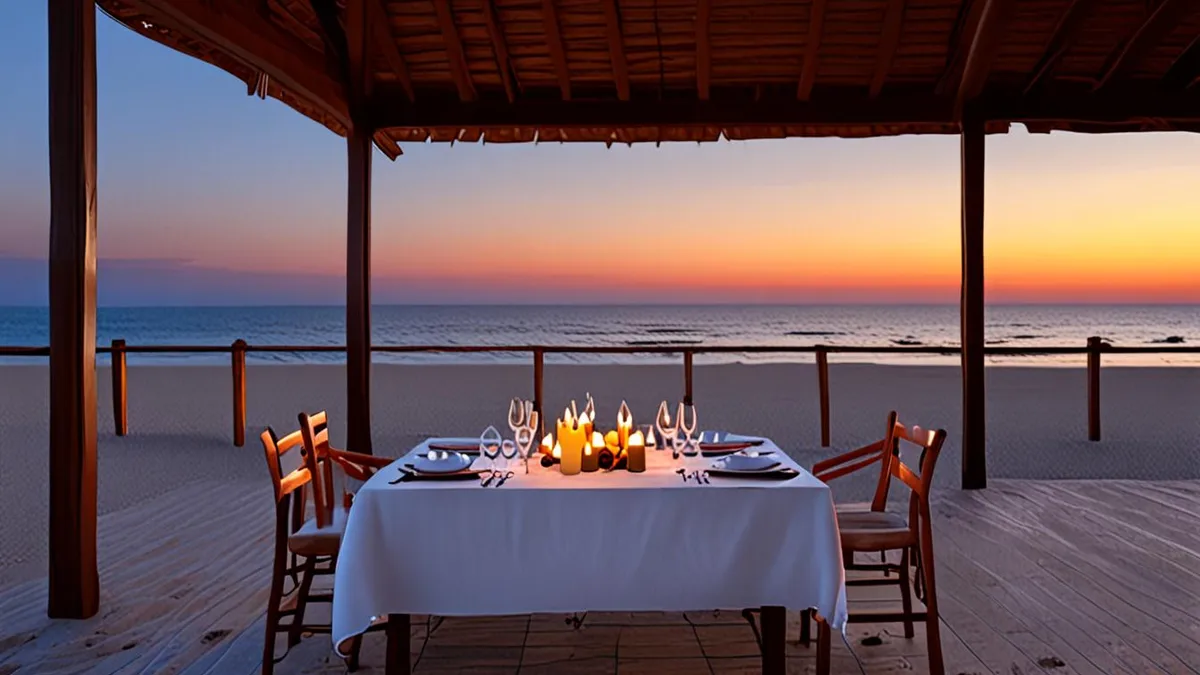
The romantic extras you picture—couples’ spa treatments, private dinners on the beach, sunset cruises—are usually priced as add-ons. Some resorts include one or two special experiences in honeymoon or anniversary packages, but assume that anything with the word “private” in front of it costs extra. Budget for one or two of these if they matter to you.
Room choice is where prices really jump. Standard garden-view rooms anchor the low end of the rate range, while swim-out rooms with direct pool access and upper-floor ocean-view suites can add a significant premium per night. If a private dinner on your terrace sounds appealing, a swim-out category may be worth it—just compare carefully.
Before comparing rates, it helps to understand how all-inclusive pricing differs from pay-as-you-go models. Our guide to all-inclusive versus à la carte resorts walks through the trade-offs in detail.
- Check what “premium” drinks means. Some resorts include top-shelf spirits and imported wine in the base rate, while others stock them behind a paid upgrade—ask for the actual brand list before you book.
- Look for bundled romance packages. Booking a couples’ spa treatment and private dinner together as a package is often cheaper than reserving each separately once you arrive.
- Confirm which restaurants need reservations. At larger resorts, the specialty restaurants you most want may require booking days ahead, so plan your first few dinners on arrival day.
- Ask about in-room extras. Champagne on arrival, decorated beds and anniversary amenities are sometimes complimentary for honeymooners—but only if you mention the occasion at booking.
Budgeting Beyond the Brochure Price
The first thing to understand about adults-only pricing is that you are paying a premium for the guest policy itself. Adults-only rooms typically cost 15-30% more than comparable family-friendly resorts in the same destination. That difference buys you a quieter pool deck and a calmer dinner service, so decide upfront whether that trade-off is worth it for your trip.
The brochure rate is rarely the final number. At many destinations, especially in the United States and some Caribbean islands, mandatory resort fees can add $20-50 per night on top of the quoted rate. These charges often cover things you would expect to be included, like Wi-Fi, gym access or beach chairs. Before you book, read our guide on what resort fees to expect before you check in so the final bill does not surprise you.
The Charges That Catch Couples Off Guard
Three line items cause most of the sticker shock at checkout. Spa services are priced per treatment, and a couples massage can easily rival a full day of dining. Off-site excursions, from catamaran trips to snorkeling outings, are almost never part of a standard all-inclusive plan. And premium wine lists sit in a separate tier from the house pours included in your package, so a bottle from the reserve list gets billed to your room.
Tipping rules also vary more than most travelers expect. At all-inclusive resorts, gratuities are sometimes built into the rate, while at others, staff appreciate a few dollars for good service, and some properties even discourage tipping entirely. À la carte resorts operate more like traditional hotels, where tipping at meals and for housekeeping is standard. Ask the front desk about the policy on arrival so you can budget accordingly and carry small bills if needed.
When to Book and When to Go
Timing has an outsized effect on both price and atmosphere at adults-only resorts. Booking 4-6 months ahead usually secures the best rates and the widest choice of rooms, especially if you want a specific category like a swim-out suite or an upper-floor ocean view. Waiting until the last minute rarely works in your favor at smaller properties, where the best rooms are limited to begin with. For a deeper look at pricing patterns, see our guide on the best time to book a resort stay for lower rates.
Season matters just as much as lead time. Peak couples season in the Caribbean and Mexico runs December to April, which means dry, sunny weather but also the highest prices of the year and the fullest pools. Shoulder months offer a genuine middle ground, with lower rates and weather that is mostly usable for beach days, with the occasional shower rather than a washout.
- Watch for honeymoon and anniversary promotions: many resorts offer complimentary upgrades, private dinners or spa credits for celebrating couples, but they typically require proof such as a marriage certificate showing your wedding or anniversary date falls within 12 months of travel. Bring documentation with you.
- Shoulder season comes with trade-offs: May, late October and November can bring brief rain showers or choppier seas, so pack a light rain layer and confirm which resort facilities, like certain restaurants or water sports, operate on a reduced schedule in those months.
- Book early for room categories, not just price: at properties capped at a few hundred guests, the most sought-after room types can sell out well before rates rise, so locking in early is as much about choice as savings.
How to Choose the Right Adults-Only Resort
The adults-only label tells you who cannot check in, but it says nothing about what your stay will actually feel like. Two resorts with identical age policies can offer completely different vacations, so it pays to work through a few decisions before you compare prices. Treat this as a filtering exercise: each step below narrows your list until only the genuinely good fits remain.
- Match the vibe to your travel style. Party-oriented resorts with pool DJs and swim-up bars and silent wellness retreats built around yoga and spa time both carry the adults-only label. Read the resort’s own activity calendar and social media to see which end of the spectrum it sits on.
- Check the guest capacity. Resorts hosting 200-400 guests feel noticeably calmer than 1,000-room properties, where you may still wait for loungers and dinner reservations even without children around. Smaller capacity usually means shorter lines and staff who learn your names by day two.
- Read recent couple reviews. Marketing photos age quickly, so filter reviews from the past few months written by other couples. Look for comments about noise levels, pool crowding and whether the atmosphere matched what the website promised.
- Decide on your dining model first. All-inclusive simplicity means one upfront payment and no signing bills, while à la carte properties offer more flexibility to eat off-site and order what you like. Settle this before comparing prices, since the two models are structured so differently that rate comparisons become meaningless.
It also helps to think about location within the resort itself. A room above the pool bar will feel very different from one at the far end of the property, and a few emailed questions to the resort before booking can save you a week of unwanted noise. Ask specifically about building placement, elevator proximity and which restaurants need reservations.
Once you have worked through these steps, you will likely find that only two or three resorts genuinely fit your budget, vibe and size preferences. That shortlist is exactly what you want, because it lets you compare real details like room categories and included extras rather than sifting through dozens of lookalike listings. From there, a quick call or email to confirm your priorities seals the decision.
Wrapping Up Your Couples Retreat Plan
The Bottom Line on Adults-Only Resorts
The adults-only label answers a simple question: who is allowed on the property. It means a minimum age policy of 18 or 21, verified at check-in, and nothing more. It is not a promise of romance, and it is not a rating of luxury. What your stay actually feels like comes down to the resort’s size, vibe and pricing, which is why those details deserve as much attention as the label itself.
In practice, expect quieter pools, quiet hours after 10 pm and dress-coded dinners, along with rates that typically run 15-30% higher than family-friendly properties in the same destination. Add room for fees, spa treatments and excursions beyond the brochure price. Book 4-6 months out for the best rates and room choice, and aim for shoulder-season months to stretch your budget. If this helped you plan your couples retreat, leave a comment or share the article with your travel partner.