Choosing where to sleep on safari is one of the biggest decisions you will make when planning a trip to Africa, and it is also the one travelers get wrong most often. The safari lodge vs bush camp question trips people up because both promise game drives and unforgettable wildlife moments, yet the experience on the ground could hardly be more different. One feels like a full-service hotel in the wilderness; the other feels like living inside the ecosystem itself, canvas walls and all.
This guide breaks down exactly what separates the two stay types, from room counts and road access to showers, schedules and seasonal pricing. We will compare comfort and facilities, look at what your money actually buys, examine how wildlife viewing differs at each, and cover location, access and the best times to go. We will also share realistic booking timelines and help you match each stay type to your travel style, so you can book the safari that genuinely suits you rather than the one that photographs best.
What Defines a Safari Lodge vs Bush Camp
Before you can decide between the two, it helps to know what each one actually is, because the terms get used loosely across Africa’s safari destinations. A safari lodge is a permanent structure, usually built of stone, timber and thatch, with anywhere from 20 to 60 rooms. Think of it as a full-service hotel in the bush: you will typically find a swimming pool, a restaurant, a bar and lounge areas, and you can usually drive right up to the entrance on paved or well-maintained roads. Most lodges sit close to park gates, which makes them convenient for arrivals, departures and self-drive visitors.
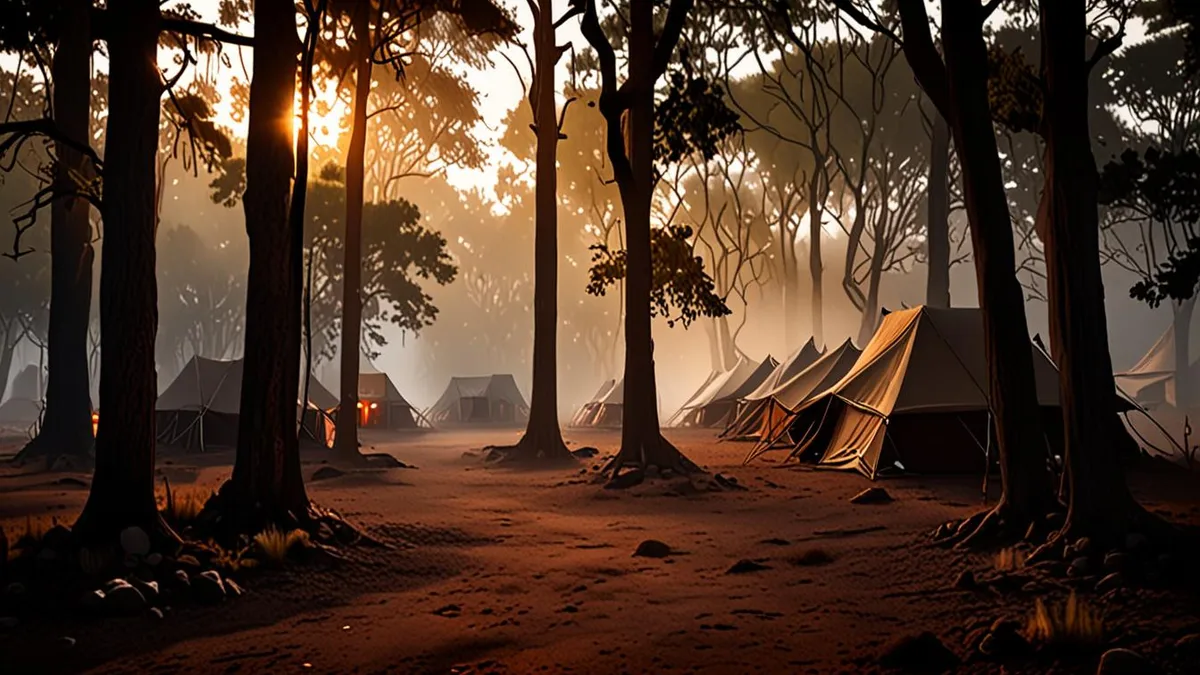
A bush camp is a different animal entirely. These are small, tented or canvas setups that host just 6 to 12 guests at a time, often put up seasonally and taken down when the rains arrive. Reaching one usually means 1 to 3 hours of dirt road after you leave the tarmac, sometimes with the final stretch done in the camp’s own open-sided vehicle. The trade-off for that effort is a setting deep inside wildlife areas, far from other tourism infrastructure.
What both stay types include
Here is where the comparison gets friendlier: the core safari formula is the same at both. Rates at lodges and bush camps generally include all your meals and two daily game drives, one leaving at dawn (around 5:30-6:00 am) and another in the late afternoon, when animals are most active. The drives are led by a guide, often with a tracker, in an open 4×4. Where the two stay types really diverge is in comfort, price, flexibility and how close you sleep to the action, and that is what the rest of this article unpacks.
Comfort and Facilities Compared
Comfort is the clearest dividing line between the two stay types, and it is where personal preference should weigh heaviest. A safari lodge is built to deliver hotel-style comfort in a wild setting. After a hot, dusty morning game drive, you can return to an air-conditioned room, swim in the pool, book a massage at the spa and stream a film on dependable Wi-Fi. Power is consistent, water pressure is reliable, and there is usually staff on hand around the clock. For many travelers, especially those on a first safari or celebrating something special, that level of polish makes the whole trip feel effortless.
A bush camp asks you to trade some of that polish for atmosphere. Showers may be simple bucket or “safari” showers filled by staff, electricity typically comes from solar panels rather than a grid connection, and dinner is often a shared affair around a campfire with the other guests and the camp hosts. What you gain is immediacy: elephants feeding meters from your tent, lions calling through the night, hippos grunting at the waterhole as you fall asleep. There is no window between you and the bush, and that rawness is precisely the appeal.
Matching the stay type to your group
Families with young children usually fare better at lodges. Fenced or well-defined grounds, pools, flexible meal times and interconnecting rooms make logistics far easier when you are traveling with little ones, and a toddler’s 2 am meltdown is less disruptive in a lodge than in a six-tent camp. Couples and solo travelers seeking intimacy, on the other hand, tend to thrive in small bush camps, where the guest list is tiny, the staff learn your name on day one, and evenings revolve around conversation under the stars rather than a busy restaurant floor. Be honest with yourself about how much roughing it you genuinely enjoy, because that answer will point you clearly to one stay type or the other.
Price Differences and What You Get
Price is often the deciding factor, so it helps to know the realistic ranges. Lodges typically cost USD 350-900 per person per night in high season, with the top end reserved for famous parks and highly exclusive properties. Bush camps run USD 150-450 per person per night, and at that price many are fully inclusive, meaning meals, drinks and activities are all wrapped into the rate. On paper, then, a bush camp can look like the budget option, but the comparison only works if you account for what each rate actually covers.
Most rates at both stay types include meals, drinks and two daily game drives, which is why safari pricing looks high compared to an ordinary hotel night: you are effectively paying for a full board stay plus guided activities twice a day. The gap opens up with extras. At lodges, spa treatments, premium wines and private vehicles are charged on top, and these add-ons accumulate quickly over a multi-night stay. At small bush camps there is simply less to buy, so the quoted rate tends to be closer to what you actually spend.
Timing also changes the picture. The green season, from November to March, can cut lodge rates noticeably, sometimes dramatically at high-end properties, while bush camp prices shift far less between seasons. If you have flexibility on when you travel, that discount alone can bring a top lodge within reach of a bush camp budget.
- Ask about drinks policies before you book. Some lodges include only house drinks and charge separately for imported wines, spirits and premium brands, which matters if you enjoy a sundowner or two each evening.
- Factor in single supplements. Solo travelers at small bush camps can face a surcharge for exclusive use of a tent, so confirm the policy early if you are traveling alone.
- Check whether park or conservation fees are included. Daily park entry and conservation fees are charged separately at most properties and change regularly, so ask for the current amount rather than relying on old forum posts.
- Price laundry, transfers and private guides. These services are commonly excluded from rates, and at remote bush camps a road transfer can be a significant extra given the long distances involved.
Wildlife Experience at Each Stay Type
The biggest difference between a lodge and a bush camp shows up the moment you spot a leopard in a tree. At a bush camp, with only 6-12 guests in camp, your guide can decide on the spot to stay an extra twenty minutes, wait for the light to shift, or follow the animal as it moves. Nobody else is competing for the seat with the best angle.
Because small camps share a concession with few other operators, you often find yourselves alone at a sighting. Compare that to a busy spot near a park gate, where a single predator can draw a queue of vehicles and a strict time limit per car. If photography or simply quiet watching matters to you, this alone can decide the question.
Flexibility versus routine
Lodges run on fixed schedules: the first drive heads out at first light and a second follows in the late afternoon, with larger vehicles shared among more guests. That structure works well if you like predictability, but it means shorter stops and less say in how the morning unfolds.
Bush camps also offer more than just drives. Walking safaris and night drives are more commonly offered from small camps than from larger lodges, since the remote setting and small group size make both easier to run. Tracking rhino on foot or listening to hippos on a spotlight drive tends to be the memory that outlasts everything else.
Location, Access and Season
Where you sleep shapes how far you travel and how crowded your drives feel. Lodges commonly sit near park gates with paved access, which makes them easy to reach and a natural fit if you are self-driving or fitting a safari into a short stay. You can arrive in the afternoon, sleep well, and be first through the gate at dawn.
Deep in the concession
Bush camps trade convenience for remoteness. They sit inside private concessions, with the final stretch often on dirt roads that can be slow going after rain. That effort is exactly why they reward you: fewer crowds, more exclusive traversing rights, and a genuine sense of being out there.
Season matters as much as location. High season in most southern and East African parks runs June to October, when game viewing is at its peak and animals gather at water sources. Traveling in the wetter months brings lower prices, newborn animals and lush scenery, but thicker bush makes sightings harder work. If you are weighing gate-adjacent lodges against remote camps, it helps to start with an area guide to Kruger National Park to understand how location shapes your daily drives.
Booking Timelines for Safari Lodge vs Bush Camp
Good safari stays sell out, and they do it earlier than most travelers expect. The right lead time depends on where you are going, when you are traveling, and which type of camp you want. A little planning structure goes a long way, so here is a practical sequence to follow.
- Lock in your dates and season first. High season (June to October) is when demand peaks, so everything downstream depends on whether you are traveling then or during the wetter, quieter months that follow.
- Book lodges 6-12 months ahead for high season. With 20-60 rooms, lodges seem large, but the best-positioned units and family rooms sell out first, and prime weeks go fastest of all.
- Give bush camps 3-6 months of lead time outside peak weeks. With only 6-12 beds, they are small, but they often hold availability longer than lodges, so a shorter runway usually works.
- Use the low season for late bookings. From November to March, both stay types often have space 1-3 months out, and rates tend to be softer.
- Confirm inclusions before paying. Check whether meals, drinks and game drives are covered so you can compare offers fairly.
One last tip: flexibility on your travel dates can matter as much as booking early. Shifting a trip by a week or two within high season sometimes opens up availability that seemed impossible, so it pays to ask a camp directly before giving up on it. If you are set on a specific well-known lodge or a small bush camp with a loyal following, treat any lead time advice as a minimum rather than a target. For a deeper look at timing strategy, this guide to booking lodges in high season for better prices covers the details.
Which Stay Type Fits Your Trip
So which should you book? If you want hotel-style comfort, traveling with young children, or this is your first safari, a lodge makes the decision easy. With more rooms, pools, reliable power and paved access near the park gates, you get the wildlife without giving up any convenience.
If you are a photographer, a returning safari-goer or a couple after something more intimate, a bush camp is hard to beat. Fewer guests, more flexible drives and the sounds of the bush right outside your tent create a rawer, closer experience. Your budget, the season you travel in and how much roughing it you genuinely enjoy will settle the rest. If this helped you choose, leave a comment or share the article with a fellow traveler.