Picking where to stay in Lisbon is trickier than it looks on a map. The city is built on steep hills, so a charming room in one neighborhood can mean a daily climb with your luggage, while another area is completely flat. The wrong base can quietly turn a great trip into an uphill slog twice a day. So which neighborhood actually fits your trip?
This guide breaks down the choice by area and travel style. We’ll look at why the hills matter so much, compare Baixa and Chiado for first-timers, Alfama and Graça for atmosphere, and Bairro Alto and Príncipe Real for nightlife and style. You’ll also find advice on when to book and what prices to expect, plus practical checks on transport and noise before you commit. By the end, you should be able to match a Lisbon neighborhood to your budget, pace and sleep needs with confidence.
Why Where to Stay in Lisbon Depends on the Hills
Lisbon is built on seven hills, and that single fact shapes every accommodation decision in the city. A room that looks cheap and central on a booking site might sit at the top of a long staircase, which is fine on arrival day and exhausting by day four with a suitcase in hand. Before you fall in love with a photo, check exactly where the property sits on the hillside.
High views versus flat ground
Alfama and Graça sit high on the eastern hills, rewarding guests with sweeping views over the rooftops and the river. The trade-off is steep access: expect stairs, slopes and winding lanes that taxis can’t always reach directly. Baixa, by contrast, is the flat, grid-planned downtown in the valley, which makes it the easiest area to walk around with bags or tired feet.
Match the hill to your trip
Your ideal neighborhood depends on mobility, trip pace and how much sightseeing you plan each day. If you’re out from morning to night and want an easy walk home, flat Baixa makes sense. If you’re staying a week and prefer slow mornings with a view, a higher neighborhood may be worth the climb. Be honest about how you travel, then choose the hill that suits it.
Baixa and Chiado for First-Time Visitors
Baixa and Chiado are the most practical base for a first visit to Lisbon. Baixa is a flat, walkable grid laid out after the 1755 earthquake, so you can move between the major sights without battling hills. Chiado, just uphill, adds elegant streets and cafés while remaining easy on the legs compared with the eastern hills.
Transport at your doorstep
One of the biggest advantages here is connectivity. Metro stations, tram stops and the train lines to Belém and beyond sit within a short walk of most rooms in this area. That means less time figuring out logistics and more time actually seeing the city, which matters when your stay is short.
Prices and how far ahead to book
Mid-range rooms in this part of town commonly run 100-180 EUR per night in shoulder season. For a spring trip, book two to three months ahead to get a decent choice at those rates, since good-value rooms in the center go first. Check current prices when you search, as rates shift with demand.
This area is best suited to short stays of two to three nights focused on the major sights. If your plan is a highlights tour with limited days, the flat grid and central transport links make Baixa and Chiado the efficient choice.
Alfama and Graça for Atmosphere
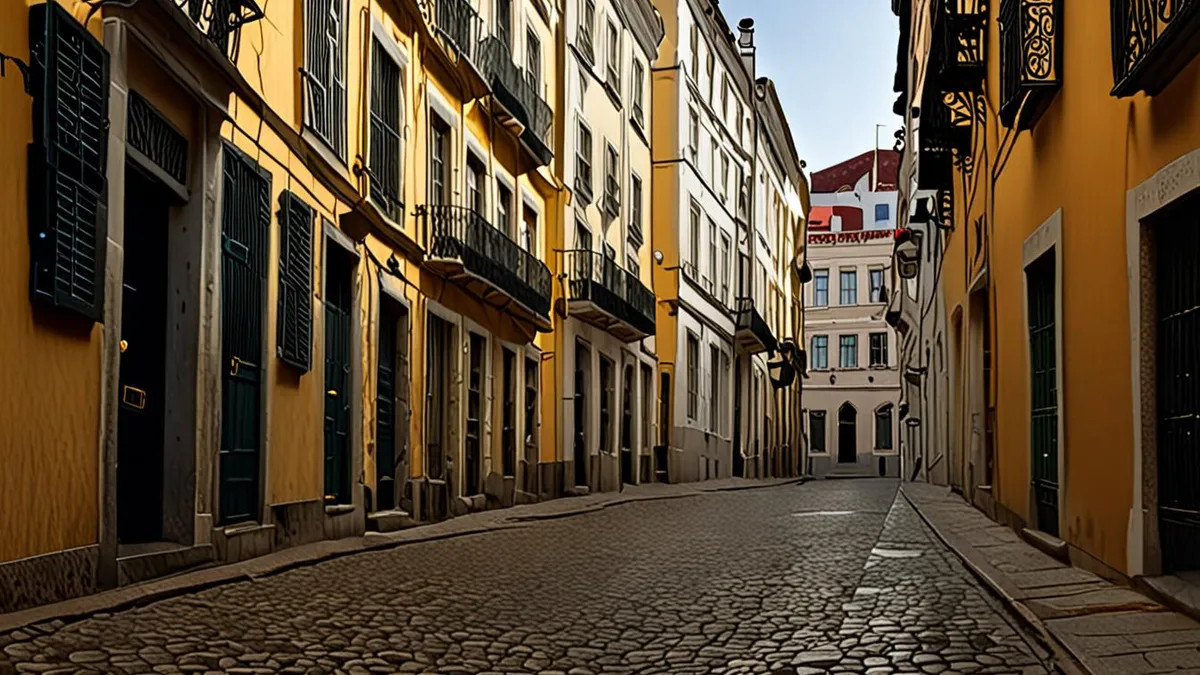
If you want Lisbon to feel like Lisbon rather than a hotel district, Alfama and Graça deliver. This is the oldest part of the city, a tangle of medieval lanes that survived the 1755 earthquake. Tiled facades, laundry strung between windows and fado music drifting out of small taverns in the evenings give the area an atmosphere no purpose-built district can copy.
What the hills cost you
The atmosphere comes with a physical price. Expect stairs, steep slopes and lanes that don’t always follow a logical route, so allow extra time for getting anywhere with luggage. Tram 28 crosses the neighborhood on a single route that also runs through Baixa and Graça, linking you to the center in roughly 15-20 minutes. It’s a useful link, though it’s popular, so check crowding when you plan to ride.
Guesthouses over chains
Accommodation here leans toward small guesthouses rather than chain hotels, which means more local flavor and hosts who can point you to their favorite fado house. Budget guesthouse rooms typically run 50-90 EUR per night in low season, often undercutting the downtown hotels. If atmosphere and value matter more than elevators and room service, this is your area.
Bairro Alto and Príncipe Real for Nightlife and Style
Bairro Alto is where Lisbon goes out. By day it looks like any other hilly quarter of small shops and old facades, but after dinner the bars spill onto the streets and the party builds slowly toward its peak. If your idea of a good trip involves an early start at major sights, this is not the block for your pillow.
The good news is that you do not have to choose between nightlife and sleep. Príncipe Real sits just uphill and next door, offering a completely different rhythm. Think boutique hotels in renovated townhouses, leafy garden terraces and a calmer evening scene of wine bars and restaurants rather than packed doorways.
This area suits travelers on longer trips who care more about design-led rooms and neighborhood life than being steps from the main postcard sights. You can walk down to Baixa or hop on a tram when you want the classics, then retreat to quieter streets for dinner.
- Ask for a courtyard-facing or rear room if you stay near the bar district itself, since front rooms on the main party streets carry sound well into the early hours.
- Expect more independent and design-focused properties than big international chains here, which often means smaller rooms but more character and personal service.
- Factor in the uphill walk back from central Lisbon in the evening, or budget for a short rideshare, because the return journey from Baixa is a steady climb.
- Príncipe Real’s gardens and viewpoint give you a green escape in the morning, a nice contrast to the stone-and-tile center of the city.
When to Book and What Prices to Expect
Lisbon’s room rates swing more by season than by neighborhood, so timing matters as much as location when you’re deciding where to stay. The same budget that books a comfortable mid-range hotel in October may only stretch to a simple guesthouse in August, when demand across the city pushes prices upward. This is why experienced visitors plan their dates first and then work out what their money actually buys, rather than falling in love with a specific hotel and hoping the price will cooperate. A little flexibility on dates often does more for your budget than switching neighborhoods entirely.
- Fix your travel dates before anything else. Rates and availability move together with demand, so a flexible window gives you leverage across every neighborhood and lets you compare options on equal terms.
- Identify your season. June to September is peak season with the highest room rates, while April-May and October offer milder weather and softer prices, a balance many returning visitors prefer.
- Set a target nightly budget. Decide on a realistic figure per night before you browse, and include the city tourist tax that Lisbon adds on top of the room rate, which changes periodically, so check the current rate before booking.
- Filter neighborhoods by what your budget buys. In shoulder season, 100-180 EUR per night covers a solid mid-range hotel in central areas like Baixa and Chiado; in peak season that same budget may push you uphill or further out from the center.
- Book early for summer. For travel between June and September, reserve roughly 3-4 months ahead to get the best choice of rooms and locations rather than settling for leftovers once the popular places fill up.
One final habit pays off every time: check the total price including taxes and fees before comparing two properties side by side. A guesthouse that looks cheaper per night can end up costing more once extras like the tourist tax, breakfast or late-checkout charges are added, and some booking platforms only reveal these at the final step. Knowing your true all-in figure makes neighborhood comparisons much simpler and helps you judge whether paying a little more for a better-located room is genuinely worth it. Do this consistently and you’ll avoid the most common budgeting mistake travelers make in Lisbon.
Checking Transport and Noise Before You Commit
Photos and maps can make any Lisbon listing look perfectly placed. Before you book, spend ten minutes verifying the practical details that will shape every day of your trip: how far you really are from public transport, how noisy the street is, and what stands between your room and the front door.
Start with the map. Listings often say “central” when the property is actually a steep ten-minute walk from the nearest stop, and in a city built on hills that difference matters with a suitcase. Trace the walking route yourself and note whether it involves stairs or a climb.
Then dig into reviews with a specific goal. Search or skim for words like “noise,” “street,” “tram” and “stairs” rather than reading the glowing summaries. Properties on bar streets or along Tram 28’s route through Alfama, Baixa and Graça deserve extra scrutiny, since the rattling trams and late crowds are part of the charm only when you are awake for them. Being this methodical matters in Lisbon the same way it does when you follow a home buying guide for understanding appraisal gaps before closing: the details you check before committing are the ones that protect you later.
- Check the building’s age and elevator situation. Many older Lisbon buildings have no elevator, so a “third floor room” can mean four flights of narrow stairs with your luggage.
- Look at recent reviews only. A bar that opened downstairs last year will not appear in reviews from two years ago, so sort by newest first.
- Note the distance to more than one transport option. A stop served by both a metro and a tram gives you a backup when one line is disrupted or crowded.
- Message the property directly with specific questions. Asking “is the room up stairs, and is there an elevator?” gets a clearer answer than hoping the photos tell the story.
Wrapping Up Your Lisbon Base
Choosing where to stay in Lisbon really comes down to matching the neighborhood to your trip. Baixa works best for short first visits focused on the major sights, Alfama and Graça reward atmosphere seekers willing to handle hills, and Príncipe Real suits travelers who want style and calm over doorstep sightseeing.
Before booking, remember that the season and how far ahead you reserve shape both price and availability in every neighborhood, so set your budget first. Then pick the area that fits your pace, your wallet and how you sleep at night. If this helped you narrow things down, leave a comment or share the article with a fellow traveler.